


Scott Joplin | Ragtime, Composition and a Black American Sound
Hall of Records • Music and Sound
Scott Joplin | Ragtime, Composition and a Black American Sound
Scott Joplin helped define classic ragtime through compositions including “Maple Leaf Rag” and “The Entertainer,” treating the form with the structural discipline and artistic ambition of concert music.
Record Summary
At a Glance
Joplin’s work carried African American syncopated musical traditions into published composition, teaching, theater and opera and helped shape the sound of American popular music.
Musical Record
The King of Ragtime
Joplin’s career moved through Texas, Missouri and New York. In Sedalia he studied music, performed, taught and became associated with the Maple Leaf Club. His 1899 Maple Leaf Rag became one of the defining works of the ragtime era.
Composition
Ragtime as Serious Music
Joplin rejected the idea that ragtime was merely novelty music. His School of Ragtime set out performance principles, and his larger ambitions included ballet and opera, most notably Treemonisha.
Why This Record Matters
A Black Sound Became an American Foundation
Joplin’s legacy demonstrates how Black musical language can move from community practice into published form without losing its identity. Ragtime helped establish rhythmic and compositional ideas that would echo through later American music.
Sources
Review the Record
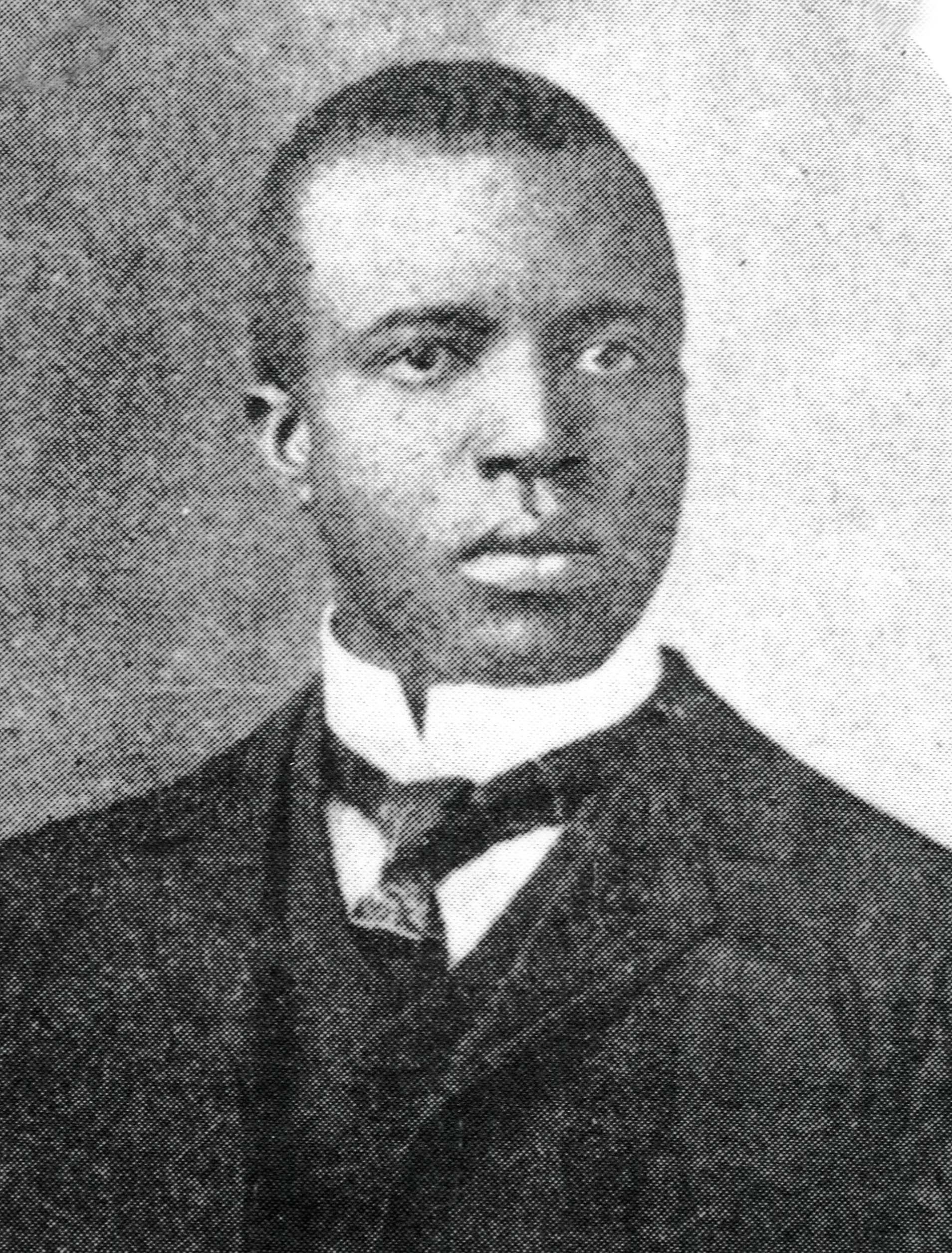
Featured image: Wikimedia Commons / original publication in American Musician, 1907 — portrait of Scott Joplin.
Image-use note: Public-domain image according to the Wikimedia Commons file page.
This entry is an editorial archive built from the cited public record. Official findings are distinguished from allegations, family concerns, historical interpretation and unresolved questions. Reverify active cases and image rights before publication.





