St. Helena Island | Rootwork in the South Carolina Sea Islands
Hall of Records • Places and Cultural Geography
Hoodoo Heritage Month 2026 · HHM-009
St. Helena Island | Rootwork in the South Carolina Sea Islands
Research on St. Helena Island documented rootwork as a living belief system in the late twentieth century, challenging the idea that such practices had vanished generations earlier.
Hoodoo Heritage Month
Living history belongs in the record too.
Record Summary
At a Glance
The National Park Service’s Gullah cultural study summarizes research conducted on St. Helena Island in 1977–1978 that documented active rootworkers, inherited herbal knowledge and community beliefs surrounding spiritual causes of illness and misfortune.
Place Record
Geography Helps Traditions Survive
The Sea Islands supported distinctive Gullah Geechee cultural continuities shaped by African ancestry, slavery, emancipation, relative geographic isolation and strong community networks.
Documented Practice
Rootwork Was Still Active
The NPS study cites fieldwork identifying four active rootworkers on or near St. Helena Island in the late 1970s. It also describes herbal remedies passed through generations and the social functions attached to rootwork beliefs.
Hoodoo Heritage Lens
A Place Is Part of the Archive
Hoodoo does not exist only in books or biographies. Landscapes, islands, yards, praise houses, roads and burial grounds are part of the cultural geography through which knowledge moved.
Community Archive
What Should the Hall Record Next?
Hoodoo Heritage Month submissions are reserved for the descendant Black American community, including Foundational Black American, Soulaan and ADOS contributors.
If your family or community holds a documented piece of Hoodoo history, submit it for Hall of Records review.
Sources
Review the Record
- National Park Service — Low Country Gullah Culture Special Resource Study ↗
- Penn Center — History Timeline ↗
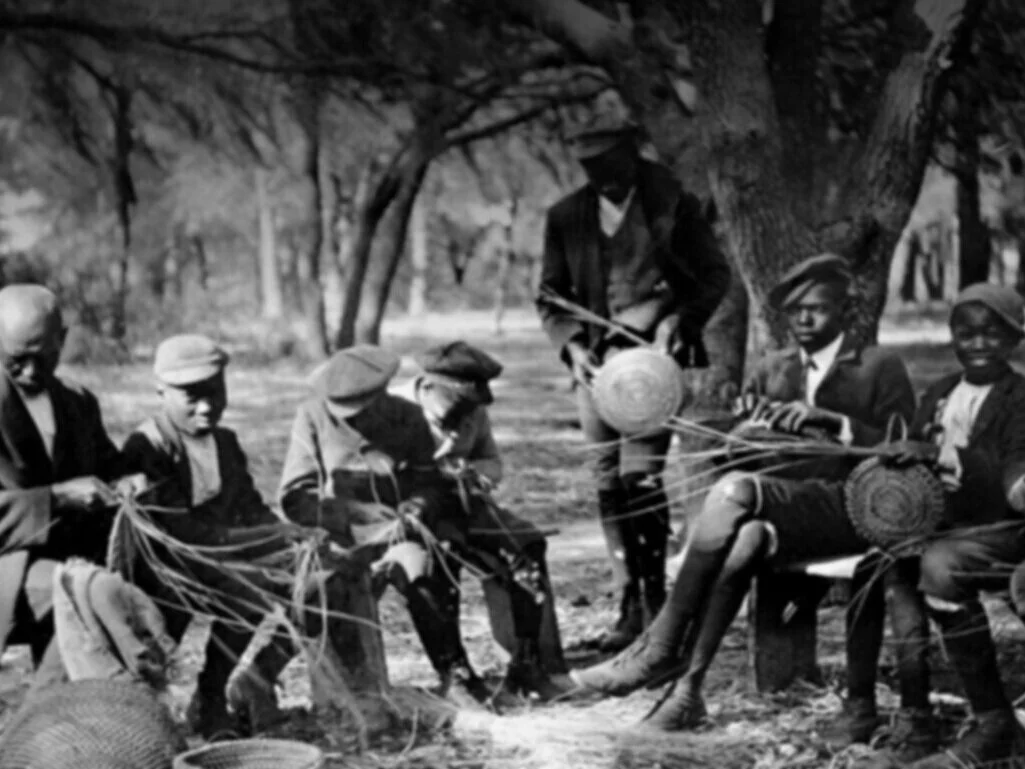
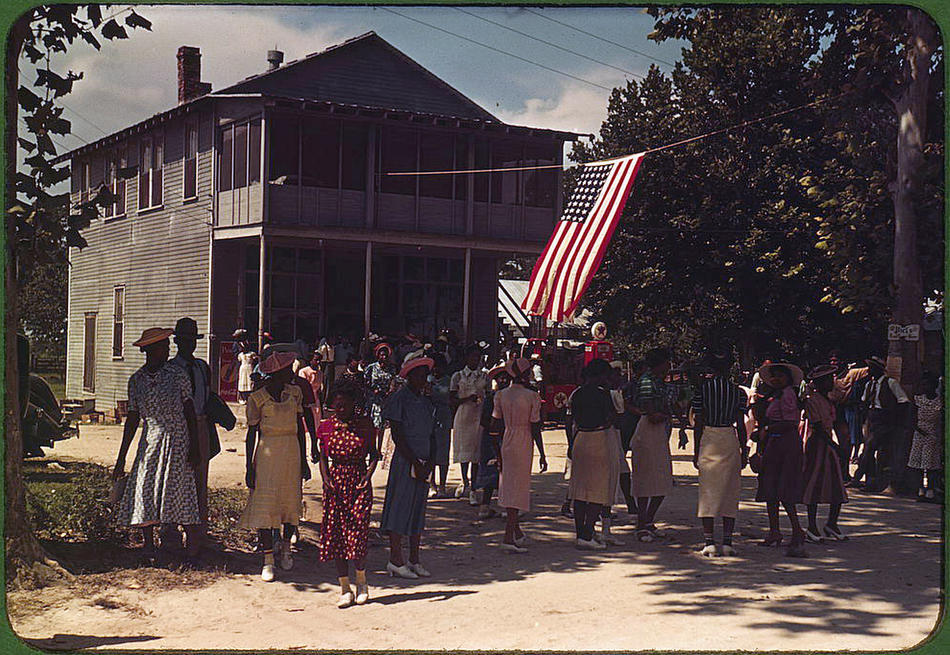
Featured image: Penn Center historical image representing St. Helena Island community life.
This record preserves cultural history while distinguishing documented evidence, oral testimony, interpretation and spiritual belief. Hoodoo Heritage Month centers the inherited Black American tradition and does not treat folklore, spiritual claims or community memory as substitutes for verifiable evidence where a factual or legal determination is required.