


Glynn Simmons | Exonerated After 48 Years in Oklahoma
Hall of Records • Justice & Accountability • Wrongful Conviction
Glynn Simmons | Exonerated After 48 Years in Oklahoma
Glynn Simmons spent more than 48 years imprisoned after a 1975 murder conviction before the conviction was vacated, the prosecution dismissed the case and an Oklahoma judge later declared him actually innocent.
Record Summary
At a Glance
The National Registry of Exonerations records Simmons as having lost 48.1 years to wrongful imprisonment—the longest incarceration among U.S. exonerees in its records at the time of his exoneration.
Case Record
Conviction and Lost Decades
Simmons was convicted in 1975 of murder in Oklahoma and was initially sentenced to death. He maintained that he was in Louisiana at the time of the crime. His death sentence was later reduced, but he remained imprisoned for decades.
Exoneration
Withheld Evidence and Dismissed Charges
In 2023 an Oklahoma judge vacated Simmons’s conviction after litigation over evidence that had not been disclosed to the defense. Prosecutors later dismissed the case rather than retry him. In December 2023 a judge found clear and convincing evidence of actual innocence.
Why This Record Matters
What 48 Years Cannot Be Returned
Simmons’s case documents the consequences of mistaken identification, undisclosed evidence, official misconduct and inadequate defense identified by the National Registry of Exonerations. Compensation can acknowledge a wrongful conviction; it cannot restore the decades taken from a person’s life.
Sources
Review the Record
- National Registry of Exonerations — Glynn Simmons
- Death Penalty Information Center — Glynn Simmons exonerated
- Associated Press — Oklahoma judge declares Simmons innocent
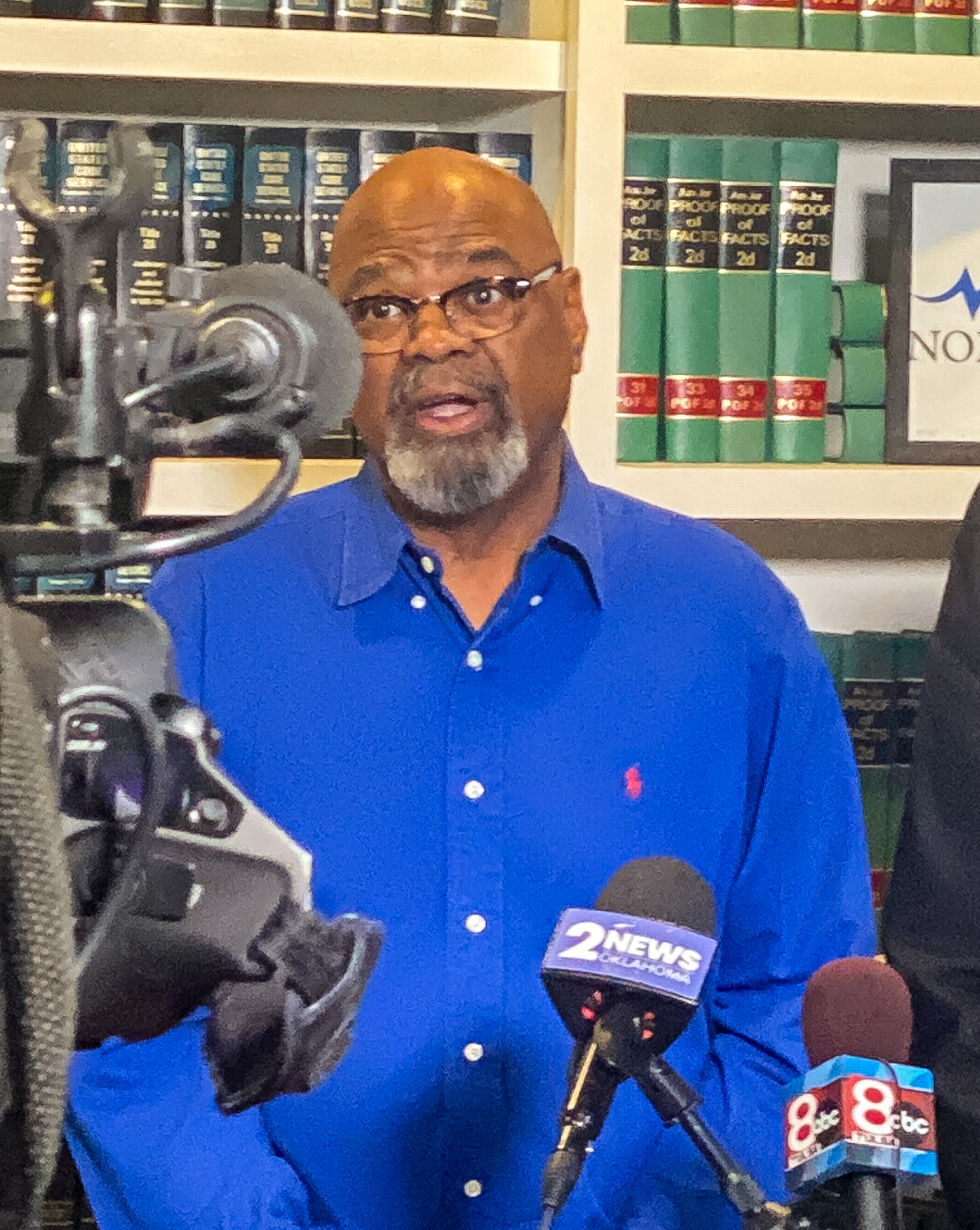
Featured image: Wikimedia Commons — Glynn Simmons after exoneration.
Image-use note: Use subject to the license and attribution listed on the Wikimedia Commons file page; reverify before publication.
This entry is an editorial archive built from the cited public record. Official findings are distinguished from allegations, family concerns, historical interpretation and unresolved questions. Reverify active cases and image rights before publication.





