


Nina Simone | Music, Black Freedom and Emotional Truth
Hall of Records · Chamber of Knowledge
Nina Simone joined classical technique, jazz, blues, gospel and protest music into an uncompromising body of work about Black freedom, violence, love and emotional truth.

Record Overview
Nina Simone was a pianist, singer, composer and activist whose musical vocabulary crossed classical music, jazz, blues, gospel and folk traditions.
Documented Record
During the civil-rights era, songs including Mississippi Goddam, Four Women and To Be Young, Gifted and Black placed racial violence and Black identity directly inside her concert and recording practice.
Cultural Significance
Simone’s archive preserves the relationship between Black political consciousness and musical expression without separating anger, grief, beauty, spirituality and virtuosity.
Record Timeline
- 1933: Eunice Waymon is born in North Carolina.
- 1950s: She begins performing professionally as Nina Simone.
- 1964: Mississippi Goddam is released in response to racial violence.
- 1969: To Be Young, Gifted and Black becomes a major Black-pride anthem.
- 2003: Simone dies in France.
Living Archive
- How did classical training shape Simone’s improvisation and arranging?
- How did political commitments affect her career and reception?
- Which live recordings best preserve her interpretive range?
Sources & Documentation
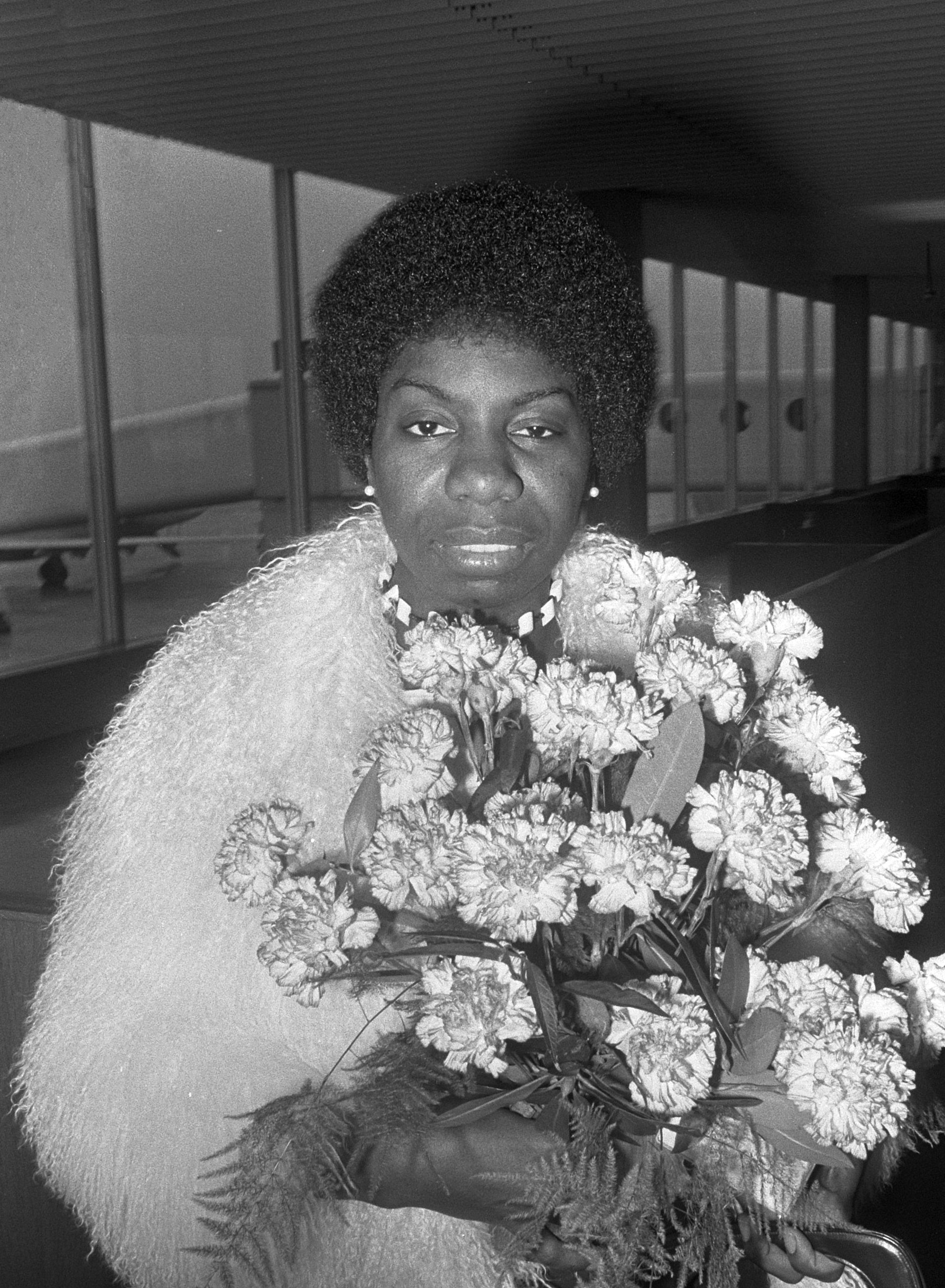
Image note: Wikimedia Commons file: Nina Simone 1969.jpg. Review creator, attribution and license before publication.
This archival entry is maintained inside the Chamber of Knowledge.
Records may be expanded, corrected or updated as additional reliable documentation becomes available.
Next Door Inside the Haus
Explore classes, research and practical learning inside the Academy.





