


Duke Ellington | Orchestration, Black Modernism and the Sound of America
Hall of Records · Chamber of Knowledge
Duke Ellington built one of the most influential bodies of American music through composition, orchestration, bandleading and a sophisticated Black modernist sound.

Record Overview
Duke Ellington was a composer, pianist and bandleader whose orchestra became a laboratory for distinctive instrumental voices, extended compositions and Black modernist expression.
Documented Record
Across decades of recording and touring, Ellington wrote for the specific tonal personalities of his musicians. His work expanded the possibilities of jazz composition and challenged distinctions between popular music, concert music and American classical tradition.
Cultural Significance
Ellington’s record documents the scale of Black authorship in twentieth-century American music and the importance of the Black orchestra as an institution of experimentation and employment.
Record Timeline
- 1899: Ellington is born in Washington, D.C.
- 1920s: His orchestra rises to prominence in New York.
- 1930s–1940s: Major suites and recordings establish his orchestral language.
- 1974: Ellington dies after more than five decades as a bandleader.
Living Archive
- How should archives credit the individual musicians whose sounds shaped Ellington’s writing?
- Which manuscripts best show his arranging process?
- How did touring shape the orchestra’s sound and institutional life?
Sources & Documentation
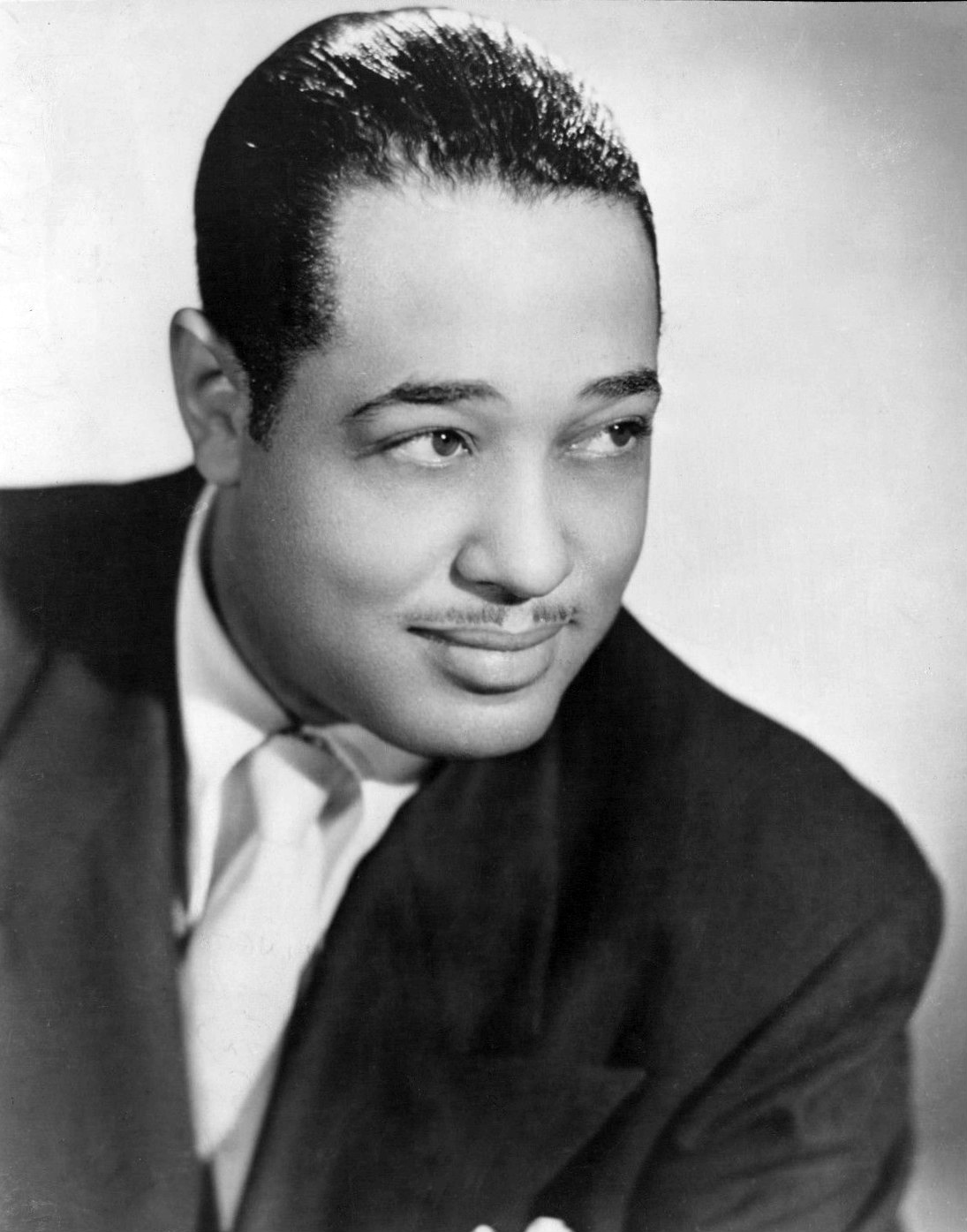
Image note: Wikimedia Commons file: Duke Ellington 1946.jpg. Review creator, attribution and license before publication.
This archival entry is maintained inside the Chamber of Knowledge.
Records may be expanded, corrected or updated as additional reliable documentation becomes available.
Next Door Inside the Haus
Explore classes, research and practical learning inside the Academy.





