


Laquan McDonald | 16 Shots, Video Release and Murder Conviction
Hall of Records • Justice & Accountability • Disputed Death
Laquan McDonald | 16 Shots, Video Release and Murder Conviction
Laquan McDonald, 17, was shot 16 times by Chicago police officer Jason Van Dyke. The later release of police video contradicted key elements of early public accounts and triggered major protests and political consequences in Chicago.

Record Summary
At a Glance
Laquan McDonald, 17, was shot 16 times by Chicago police officer Jason Van Dyke. The later release of police video contradicted key elements of early public accounts and triggered major protests and political consequences in Chicago.
Official Record
What Authorities and Courts Established
Van Dyke was convicted in 2018 of second-degree murder and sixteen counts of aggravated battery with a firearm. He was sentenced in 2019 to 81 months in prison.
Public Dispute and Social Context
Why the Case Became a Flashpoint
The delayed release of the dash-camera video became a central part of public distrust. The case led to broader scrutiny of Chicago police practices and contributed to a federal civil-rights investigation of the department.
Legal Outcome
Where the Record Stands
The U.S. Attorney’s Office later declined a successive federal prosecution after the state conviction and sentence, noting the results already achieved and consultation with McDonald’s family.
Why This Record Matters
The 2012–2020 Racial-Justice Era
This case is pivotal because the dispute was not only about the shooting itself but also about transparency, institutional narratives and whether video evidence could force public reconsideration of an official account.
Sources
Review the Record
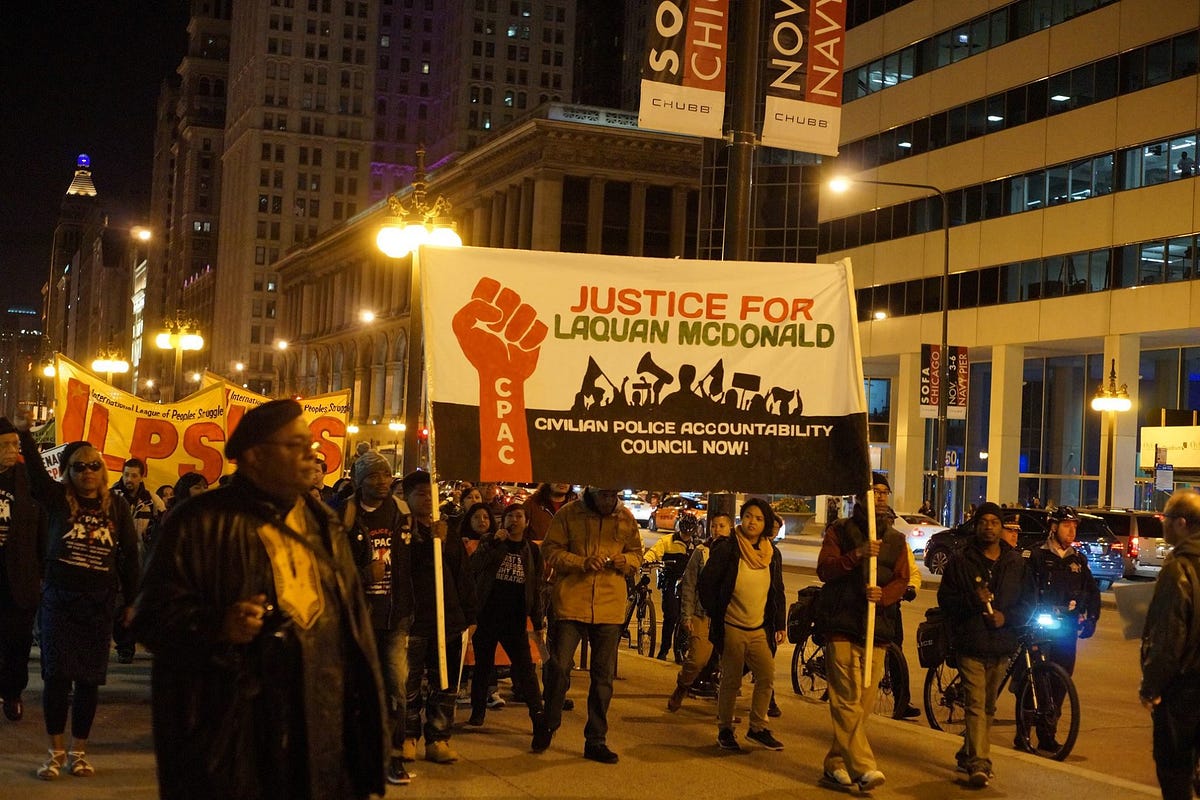
Featured image: Contextual protest image: demonstrators carrying a “Justice for Laquan McDonald” banner in Chicago.
Image-use note: External editorial/contextual image. Confirm reuse rights and attribution before publication.
“Disputed Death” is a Hall of Records editorial classification used to preserve deaths that became significant public disputes about race, policing, self-defense, custody, institutional accountability or the legal system. It does not override a court verdict, medical-examiner ruling or prosecutorial finding. This entry separates official legal outcomes from family concerns, public controversy, historical interpretation and unresolved questions.





