


Akai Gurley | NYPD Stairwell Shooting and Criminally Negligent Homicide Conviction
Hall of Records • Justice & Accountability • Disputed Death
Akai Gurley | NYPD Stairwell Shooting and Criminally Negligent Homicide Conviction
Akai Gurley, 28, was fatally struck by a bullet fired by rookie NYPD officer Peter Liang in a darkened stairwell at the Louis H. Pink Houses in Brooklyn.
Record Summary
At a Glance
Akai Gurley, 28, was fatally struck by a bullet fired by rookie NYPD officer Peter Liang in a darkened stairwell at the Louis H. Pink Houses in Brooklyn.
Official Record
What Authorities and Courts Established
A jury convicted Liang of manslaughter and official misconduct. At sentencing, a judge reduced the manslaughter count to criminally negligent homicide.
Public Dispute and Social Context
Why the Case Became a Flashpoint
The case became part of the national police-accountability debate while also generating disagreement within and between Black and Asian American communities about prosecution, race and unequal accountability.
Legal Outcome
Where the Record Stands
Liang was sentenced to five years of probation and 800 hours of community service. He was fired from the NYPD following his conviction.
Why This Record Matters
The 2012–2020 Racial-Justice Era
Gurley’s case illustrates that the racial-justice debate of the period included questions not only about individual intent but also about patrol practices, housing conditions, training and how accountability is applied across communities.
Sources
Review the Record
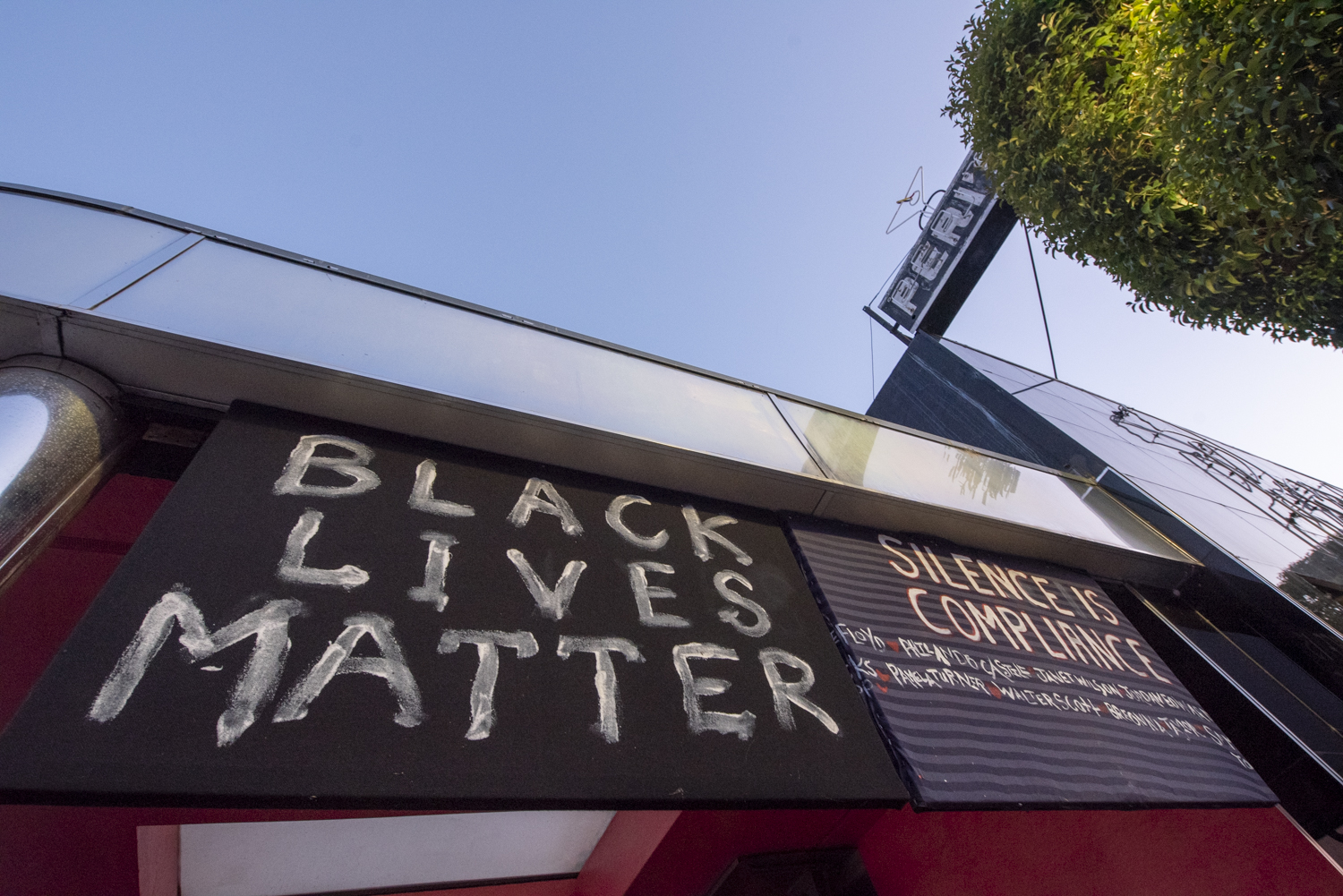
Featured image: Daniel Arauz / Wikimedia Commons — contextual “Say Their Names” Black Lives Matter street-sign installation, Fairfax, California.
Image-use note: CC BY 2.0 via Wikimedia Commons. Contextual image, not a portrait of Akai Gurley. Credit Daniel Arauz and recheck license before publication.
“Disputed Death” is a Hall of Records editorial classification used to preserve deaths that became significant public disputes about race, policing, self-defense, custody, institutional accountability or the legal system. It does not override a court verdict, medical-examiner ruling or prosecutorial finding. This entry separates official legal outcomes from family concerns, public controversy, historical interpretation and unresolved questions.





