


James E. West | The Electret Microphone and the Sound of Modern Life
Hall of Records • Innovation and Achievement
James E. West | The Electret Microphone and the Sound of Modern Life
Engineer James E. West and Gerhard Sessler co-invented the foil electret microphone at Bell Laboratories in 1962, creating a technology that became foundational to phones, recording equipment, hearing aids and countless electronic devices.
Record Summary
At a Glance
West’s work helped make microphones smaller, reliable and inexpensive enough to become nearly ubiquitous, while his later career also emphasized research, mentorship and expanded opportunity in engineering.
Innovation
A Microphone Built for Scale
While working at Bell Laboratories, James E. West and Gerhard Sessler developed the foil electret microphone. The design became widely adopted because it combined strong performance with small size, low weight, reliability and low production cost.
Achievement
Patents, Research and Education
West built a decades-long career in acoustics and holds numerous U.S. and international patents. He later joined Johns Hopkins University, where he continued research and teaching and advocated for greater participation of Black students and other underrepresented groups in science and engineering.
Why This Record Matters
An Invention Heard Everywhere
Much of modern life depends on microphones people rarely notice. West’s record demonstrates how a single engineering advance can become infrastructure embedded in communication, medicine, entertainment and everyday devices.
Sources
Review the Record
- Johns Hopkins Whiting School of Engineering — James West
- National Inventors Hall of Fame — James E. West
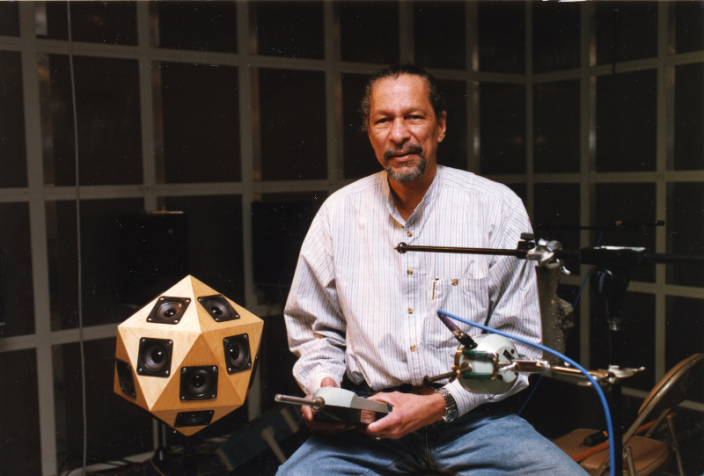
Featured image: American Institute of Physics teaching resource — James E. West in an acoustics laboratory.
Image-use note: External editorial/educational image. Confirm reuse rights and required attribution before publication.
This entry is an editorial archive built from the cited public record. Official findings are distinguished from allegations, family concerns, historical interpretation and unresolved questions. Reverify active cases and image rights before publication.





