


Black Rodeo | Cowboys, Community and an American Tradition
Hall of Records • Culture and Community Life
Black Rodeo | Cowboys, Community and an American Tradition
Black cowboys have been part of the American West from its earliest cattle-driving eras, and Black rodeo continues that history through sport, performance, family tradition and community gathering.
Record Summary
At a Glance
Black rodeo preserves a history often minimized in popular images of the American West. Riders, ropers, bulldoggers, ranchers and performers have carried the tradition across generations.
Cultural Record
Black Cowboys Were Always Part of the West
Historical research documents African American cowboys working cattle, breaking horses and moving herds across the West after the Civil War. Their presence complicates the overwhelmingly white image of the cowboy created by later film and television.
Living Tradition
From Bill Pickett to Contemporary Rodeo
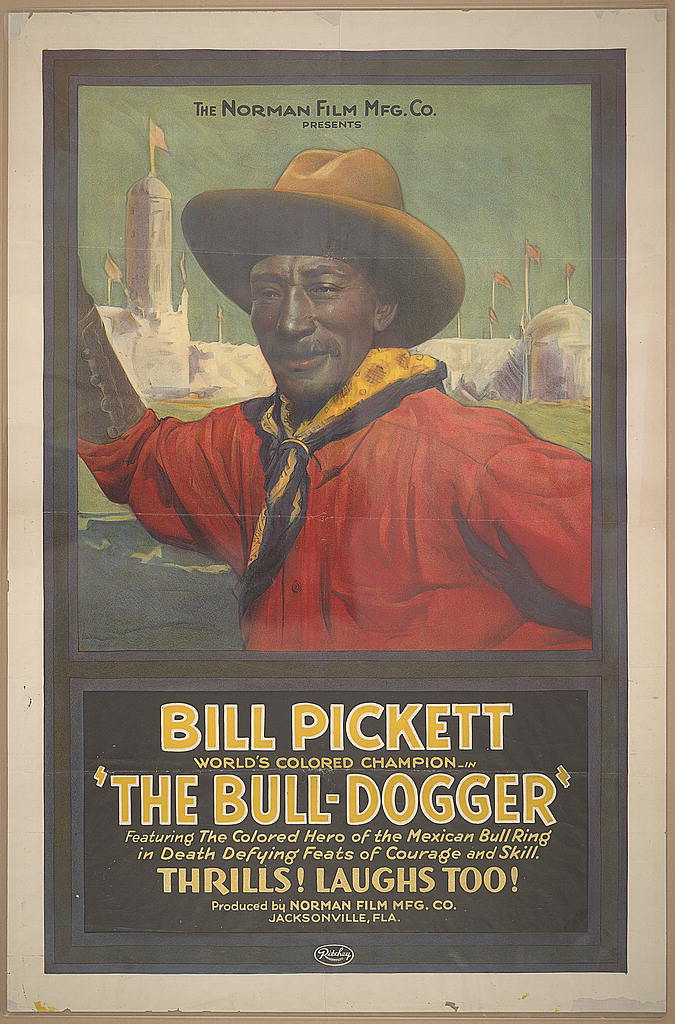
Bill Pickett became internationally known for bulldogging and appeared in early Black western films. Contemporary Black rodeos continue to combine competition with family gathering, music, fashion, horsemanship and the preservation of Western Black identity.
Why This Record Matters
Culture Survives by Being Practiced
Black rodeo is not simply a historical correction. It is living culture. The arena becomes a place where skill, memory, style and community are transmitted in public.
Sources
Review the Record
- Library of Congress — The Bull-dogger / Bill Pickett
- Smithsonian Magazine — The Lesser-Known History of African American Cowboys
Featured image: Library of Congress — 1923 poster for “The Bull-dogger,” featuring Black cowboy and performer Bill Pickett.
Image-use note: Library of Congress lists no known restrictions on publication for the poster.
This entry is an editorial archive built from the cited public record. Official findings are distinguished from allegations, family concerns, historical interpretation and unresolved questions. Reverify active cases and image rights before publication.





