


Augusta Savage | Sculpture, Teaching and the Harlem Renaissance
Hall of Records • Art and Creative Expression
Augusta Savage | Sculpture, Teaching and the Harlem Renaissance
Augusta Savage was a sculptor, educator and institution-builder whose Harlem studio and teaching helped nurture a generation of Black artists during the Harlem Renaissance.
Record Summary
At a Glance
Born in Florida in 1892, Augusta Savage built a career in sculpture while challenging racial exclusion in American arts institutions. Her work as an educator and organizer became as consequential as her surviving sculpture.
Life and Work
A Sculptor Who Built More Than Objects
Savage studied at Cooper Union and became closely associated with the Harlem Renaissance. Her portrait sculpture Gamin became one of her best-known surviving works. She also fought discrimination in arts education and professional opportunity.
Community Legacy
Teaching as Cultural Infrastructure
Savage opened the Savage Studio of Arts and Crafts and later played a central role in the Harlem Community Art Center. Her teaching and mentorship helped create opportunities for younger Black artists at a time when museums, schools and professional networks routinely excluded them.
Why This Record Matters
Art, Access and Institution Building
The Hall preserves Savage not only as an individual artist but as a builder of cultural infrastructure. Her record shows how Black artistic movements are sustained by teachers, studios, community institutions and people willing to make room for the next generation.
Sources
Review the Record
- Smithsonian American Art Museum — Augusta Savage
- Smithsonian American Art Museum — Oh Freedom! Augusta Savage
- Wikimedia Commons — AugustaSavage.jpg
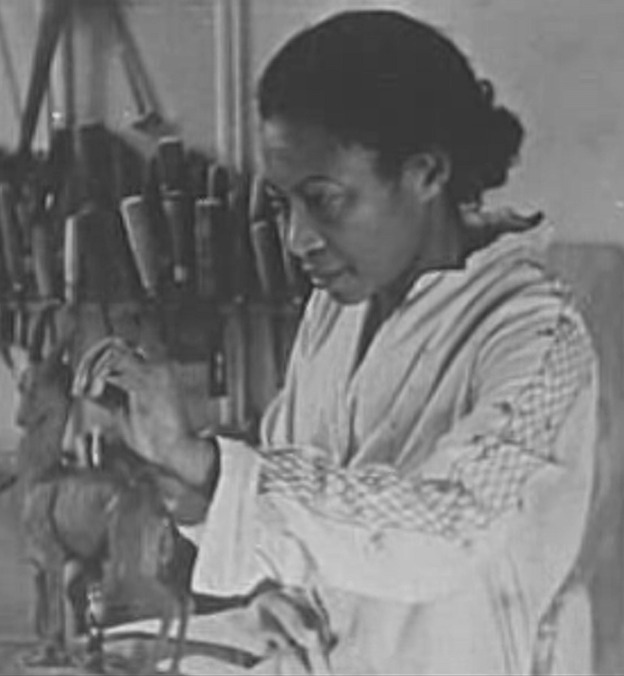
Featured image: Wikimedia Commons — Augusta Savage at work in her Harlem studio; public-domain file.
Image-use note: Public-domain image according to the Wikimedia Commons file page. Recheck file-page rights and attribution before publication.
This entry is an editorial archive built from the cited public record. Official findings are distinguished from allegations, family concerns, historical interpretation and unresolved questions. Reverify active cases and image rights before publication.





