


Kwanzaa | Seven Principles and the Building of Black Community
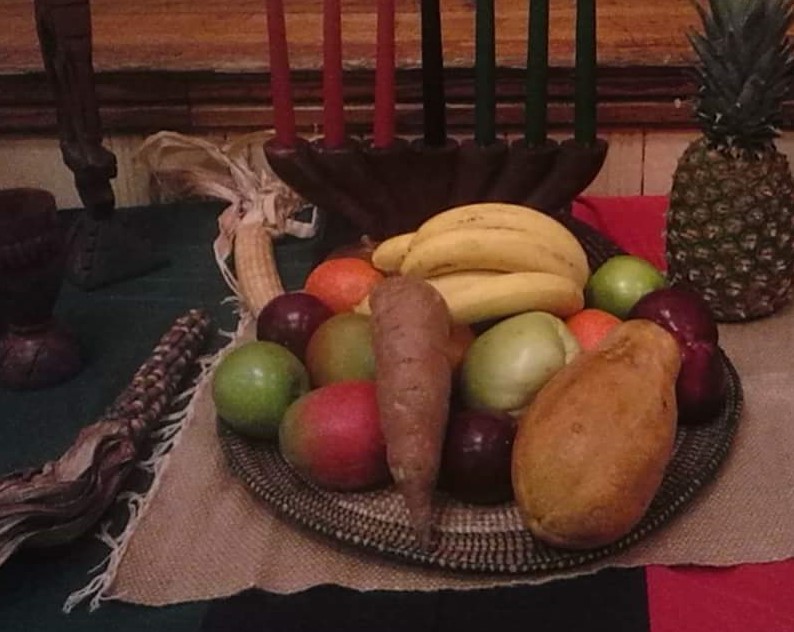
Hall of Records · Chamber of Knowledge
Kwanzaa is a Black cultural holiday organized around seven principles concerning unity, self-determination, collective work, cooperative economics, purpose, creativity, and faith.
Record Overview
Created in the 1960s, it uses Swahili terms, candles, symbols, family ritual, art, food, education, and community gathering.
Documented Record
Practices vary widely across families, schools, churches, cultural centers, and cities.
Why This Record Matters
The record preserves Kwanzaa as an intentional effort to create shared Black cultural language and community discipline.
Record Timeline
- 1966: Maulana Karenga establishes Kwanzaa.
- 1970s–1990s: Community organizations and families broaden observance.
- Ongoing: Kwanzaa is practiced in varied secular, cultural, and spiritual forms.
Living Archive
- How do families adapt the seven principles?
- What local archives preserve early celebrations?
- How has commercialization affected the holiday?
Sources and Image
Image credit: Wikimedia Commons file: KwanzaaDisplay(cropped).jpg. Review the file page for creator, attribution, and license.
Image-use note: Confirm the Wikimedia Commons file-page license, attribution, and personality-rights requirements before publication.
Image note: Recovered documentary/archival image. Review source-page attribution and reuse rights before publication.
Next Door Inside the Haus
Explore classes, research and practical learning inside the Academy.





