


Second Line | New Orleans Procession, Memory and Community Survival
Hall of Records · Chamber of Knowledge
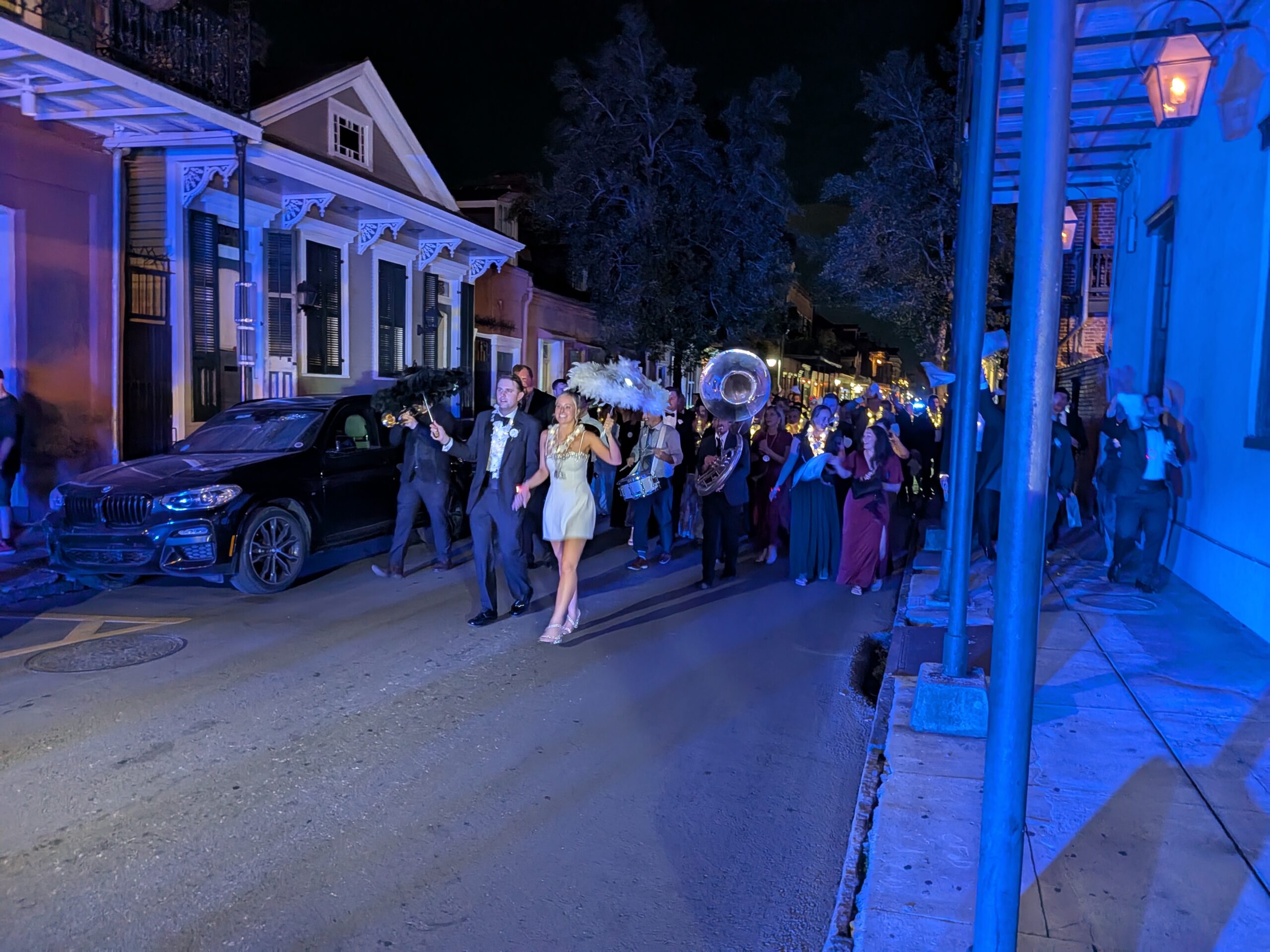
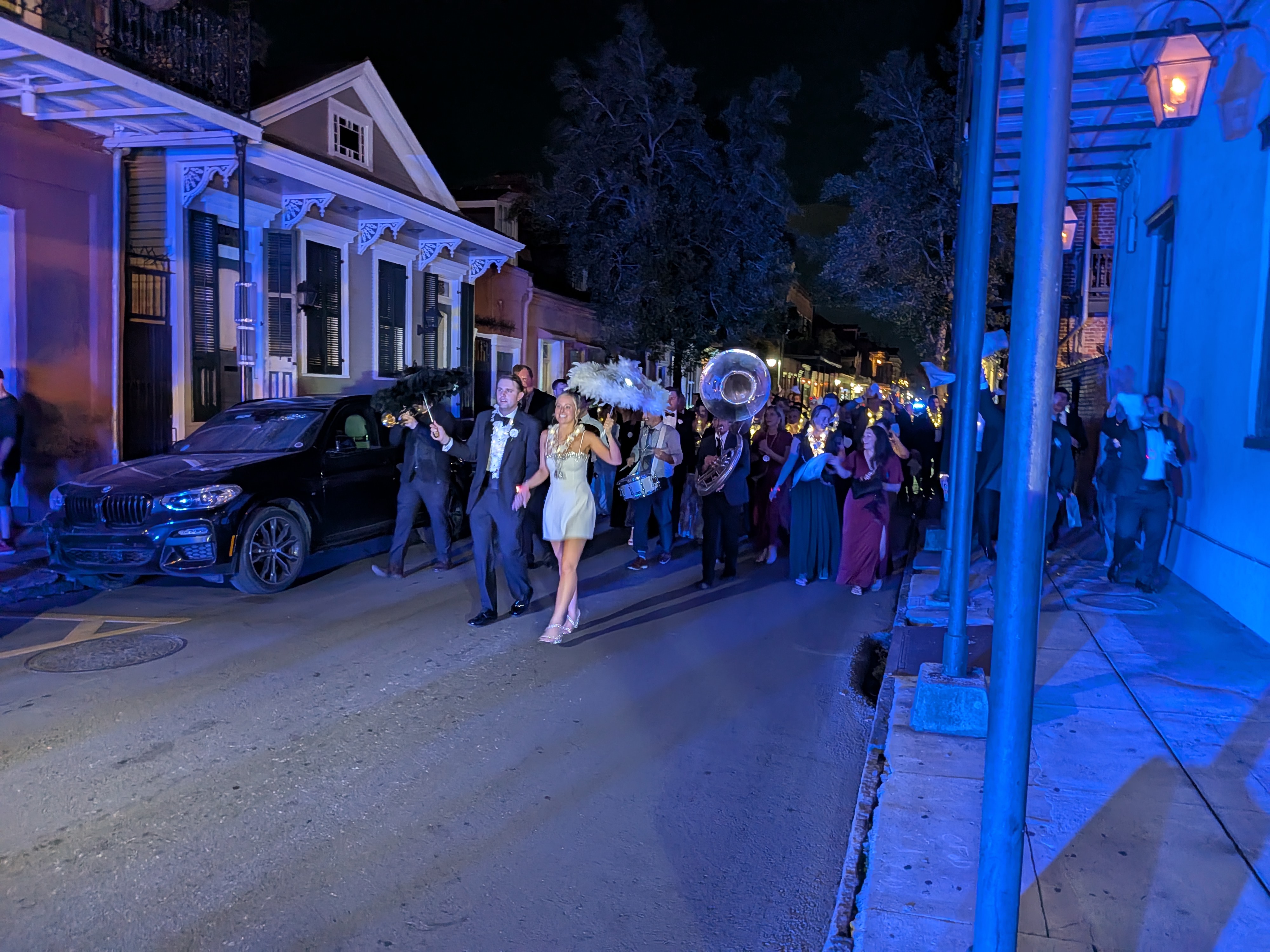
New Orleans second lines combine brass-band music, dancing, neighborhood procession, social-aid traditions, celebration, mourning, and public occupation of the street.
Record Overview
The first line traditionally includes the organized group and band; the second line forms as community members join behind them.
Documented Record
The tradition is connected to Black mutual-aid societies, funeral practices, clubs, and neighborhood culture.
Why This Record Matters
The record preserves movement through the city as community memory, social support, musical innovation, and collective joy.
Record Timeline
- Nineteenth century: Black mutual-aid and benevolent societies shape procession traditions.
- Twentieth century: Brass bands and social aid and pleasure clubs sustain second lines.
- Post-Katrina era: Second lines become powerful symbols of return and survival.
- Ongoing: Weekly and ceremonial processions continue.
Living Archive
- How do clubs finance and organize parades?
- What routes hold special neighborhood meaning?
- How can tourism support rather than displace tradition bearers?
Sources and Image
Image credit: Wikimedia Commons file: Second Line, French Quarter, New Orleans, Louisiana, USA.jpg. Review the file page for creator, attribution, and license.
Image-use note: Confirm the Wikimedia Commons file-page license, attribution, and personality-rights requirements before publication.
Image note: Recovered documentary/archival image. Review source-page attribution and reuse rights before publication.
Next Door Inside the Haus
Explore classes, research and practical learning inside the Academy.





