


Gordon Parks | Photography as Witness, Art and Black Self-Definition
Hall of Records · Chamber of Knowledge
Gordon Parks | Photography as Witness, Art and Black Self-Definition
Gordon Parks used photography, film, music and writing to document Black life, poverty, fashion, dignity, violence and possibility.

Record Overview
What Is Being Preserved
Gordon Parks used photography, film, music and writing to document Black life, poverty, fashion, dignity, violence and possibility while working both inside major media institutions and through independent artistic projects.
Documented Record
What the Record Establishes
Parks became a groundbreaking Black staff photographer at Life magazine and later directed films including The Learning Tree and Shaft. His archive demonstrates how documentary practice, beauty, advocacy and narrative control can operate together.
Cultural Significance
Why This Record Matters
This record preserves a model of image-making in which Black subjects are not merely observed but represented with interiority, complexity and agency.
Record Timeline
Key Events
- 1940s: Parks works for the Farm Security Administration and Office of War Information.
- 1948: He joins Life magazine.
- 1969: The Learning Tree becomes the first major Hollywood studio film directed by a Black American.
- 1971: Shaft expands his influence in cinema.
Living Archive
Questions for Continued Documentation
- How did Parks negotiate editorial institutions while protecting his subjects?
- Which archives hold unpublished photographs and manuscripts?
- How has his work shaped later Black photographers and filmmakers?
Sources & Documentation
Review the Record
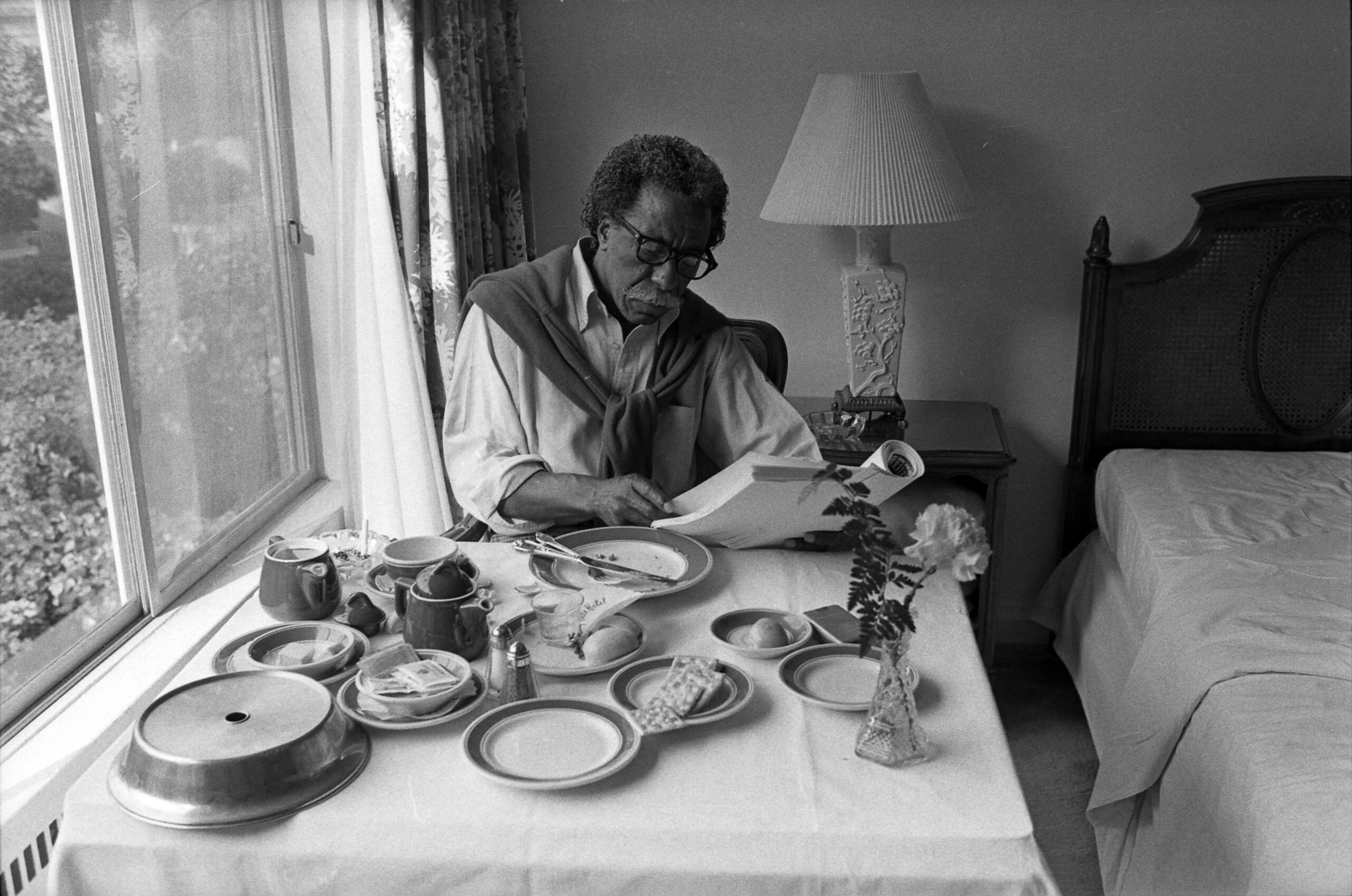
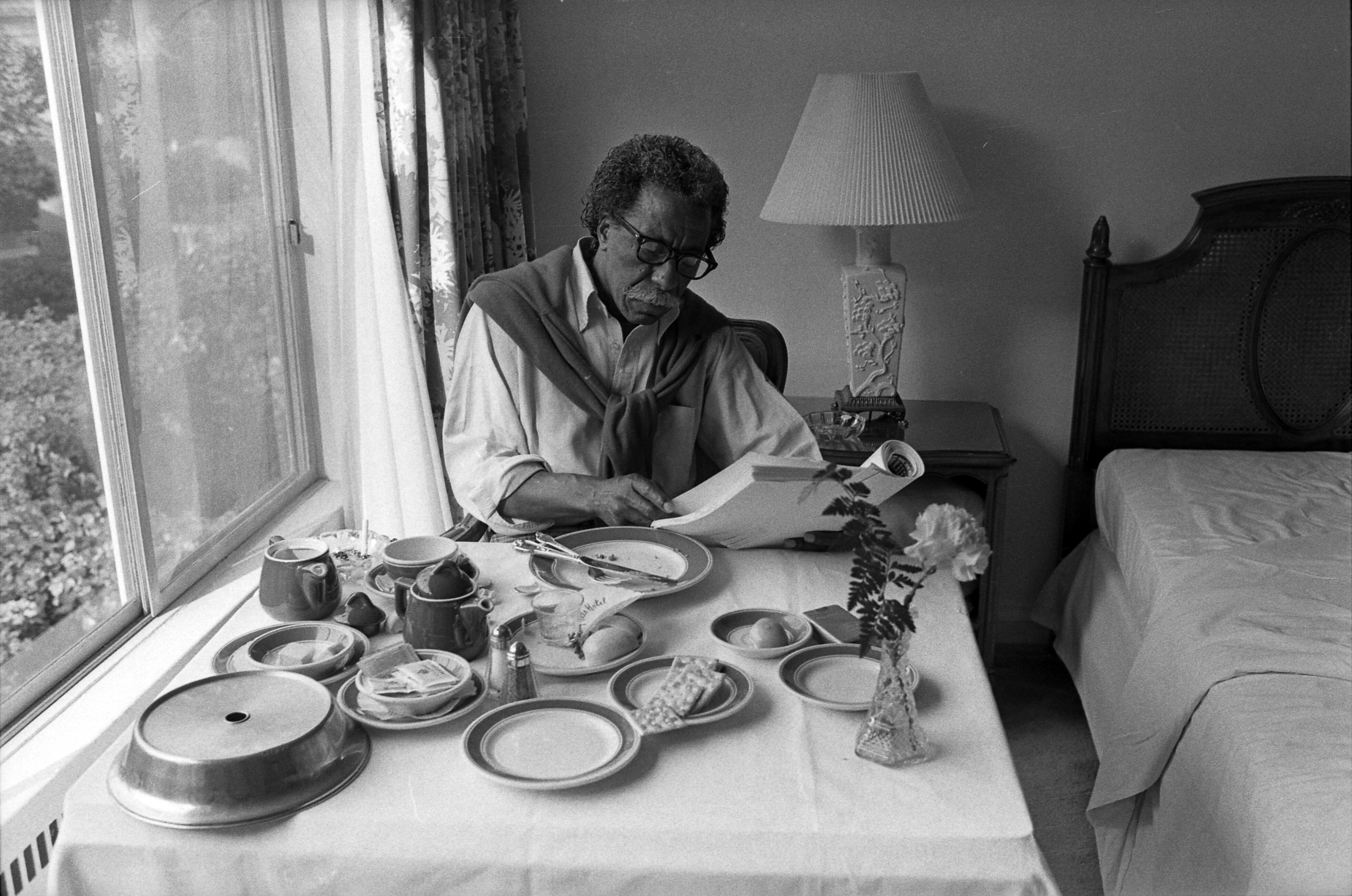
Image note: Wikimedia Commons: Gordon Parks, 1979.jpg. Verify creator, attribution and license on the Commons file page before publication.
Next Door Inside the Haus
Continue Building Knowledge
Explore classes, research and practical learning inside the Academy.





