


Kehinde Wiley | Monumental Black Portraiture and the Language of Power
Hall of Records · Chamber of Knowledge
Kehinde Wiley | Monumental Black Portraiture and the Language of Power
Kehinde Wiley places Black and Brown subjects into the visual language of European aristocratic portraiture, religious painting and monuments.

Record Overview
What Is Being Preserved
Kehinde Wiley’s large-scale paintings and sculptures use ornate patterns, heroic poses and art-historical references to question who is allowed to embody power, beauty, masculinity and national identity.
Documented Record
What the Record Establishes
His portrait of President Barack Obama entered the Smithsonian National Portrait Gallery, while his broader practice places contemporary Black and Brown sitters inside the compositional language of European aristocratic portraiture, religious painting and monuments.
Cultural Significance
Why This Record Matters
The record documents an artistic practice that rewrites inherited symbols of authority by placing contemporary Black subjects at the center.
Record Timeline
Key Events
- Early 2000s: Wiley gains recognition for street-cast portrait subjects.
- 2018: The official portrait of President Barack Obama is unveiled.
- Ongoing: International studios, exhibitions and public sculptures extend the project.
Living Archive
Questions for Continued Documentation
- How does Wiley’s use of historical composition change the meaning of power?
- How are sitters selected and credited?
- What public debates have followed his monuments and portraits?
Sources & Documentation
Review the Record
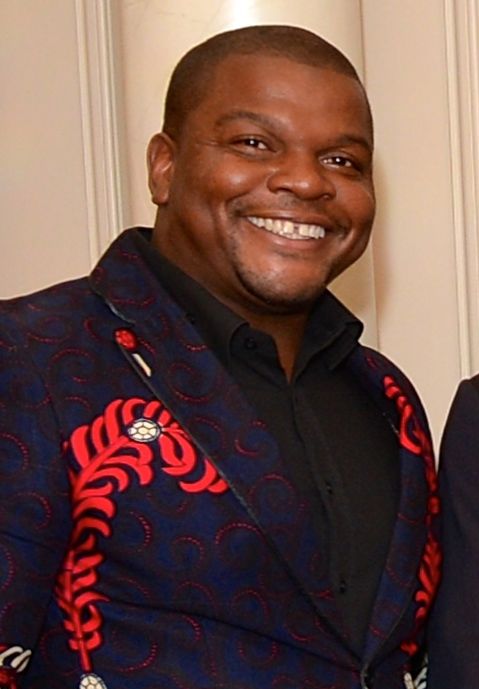
Image note: Wikimedia Commons: Kehinde Wiley (2015) (cropped).jpg. Verify creator, attribution and license on the Commons file page before publication.
Next Door Inside the Haus
Continue Building Knowledge
Explore classes, research and practical learning inside the Academy.





