

Zora Neale Hurston | Folklore, Fieldwork and the Sound of Black Southern Life
Hall of Records · Chamber of Knowledge
Zora Neale Hurston recorded stories, songs, sermons, work traditions, language, humor, and spiritual practices across Black communities.

Record Overview
Her fieldwork and fiction preserved vernacular speech and community knowledge at a time when Black culture was often distorted or ignored by institutions.
Documented Record
Hurston’s books, recordings, photographs, and films connect literary art with anthropology and oral history.
Why This Record Matters
The record documents Black people speaking in their own rhythms and categories rather than being translated into respectable or external language.
Record Timeline
- 1920s: Hurston studies anthropology and participates in the Harlem Renaissance.
- Late 1920s–1930s: She conducts fieldwork in the South and Caribbean.
- 1937: Their Eyes Were Watching God is published.
- Late twentieth century: Her work is widely recovered and re-evaluated.
Living Archive
- What field recordings remain unidentified or inaccessible?
- How should researchers address the ethics of her collecting relationships?
- How did Eatonville shape her approach to Black community life?
Sources and Image
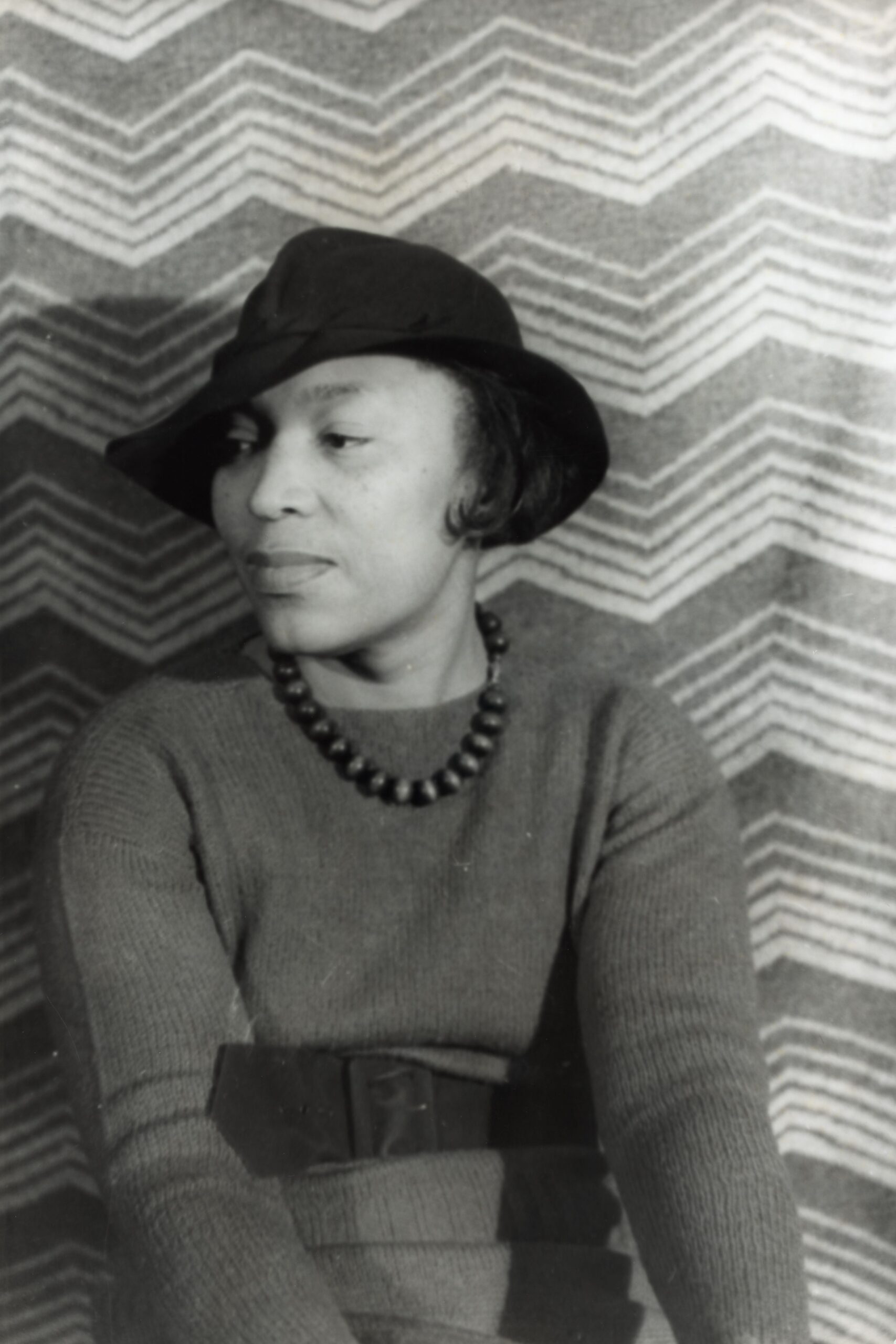
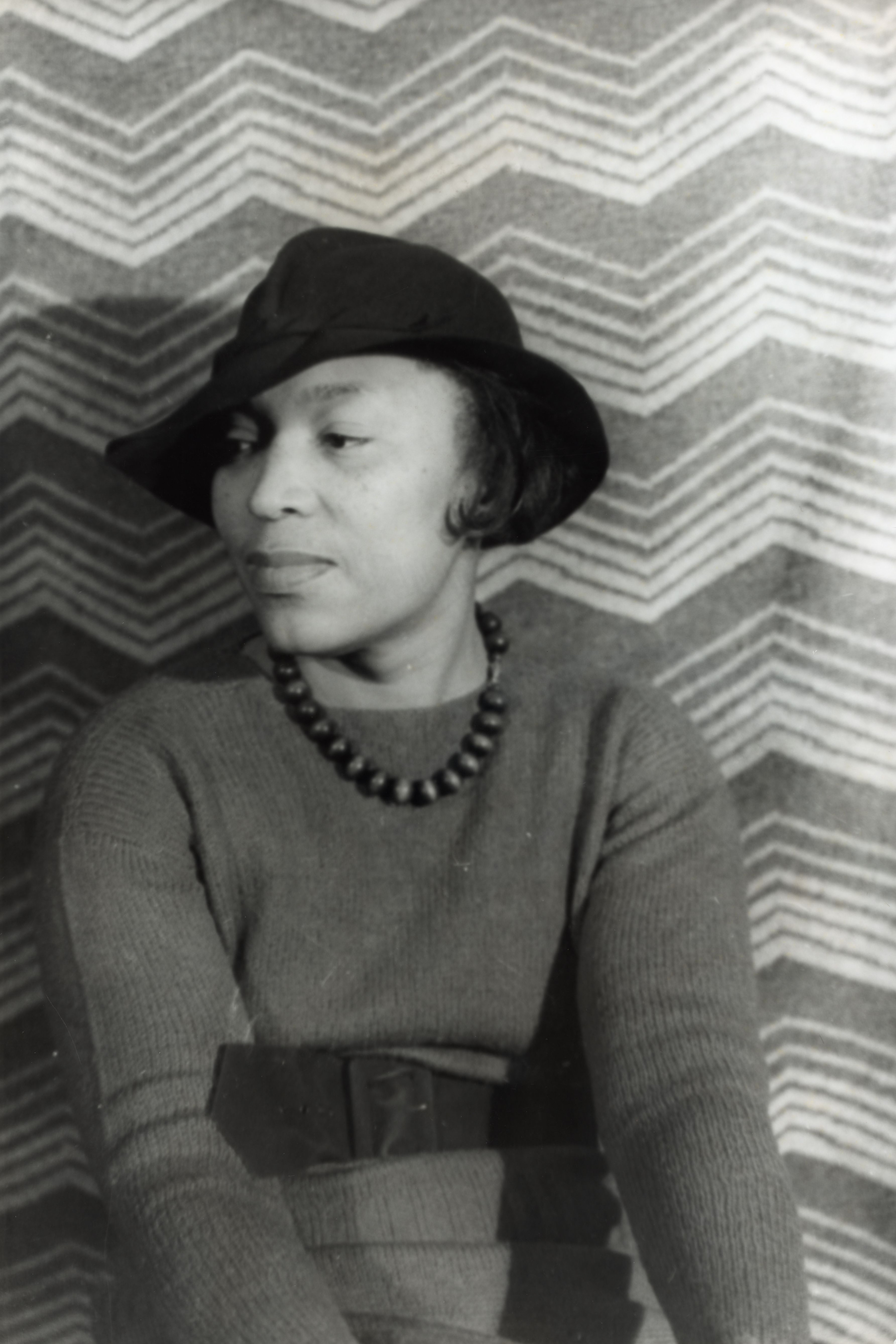
Image credit: Wikimedia Commons file: Zora Neale Hurston (1938).jpg. Review the file page for creator, attribution, and license.
Image-use note: Confirm the Wikimedia Commons file-page license, attribution, and personality-rights requirements before publication.
Next Door Inside the Haus
Explore classes, research and practical learning inside the Academy.





