


Trayvon Martin | 2012 Sanford Shooting and a National Racial-Justice Flashpoint
Hall of Records • Justice & Accountability • Disputed Death
Trayvon Martin | 2012 Sanford Shooting and a National Racial-Justice Flashpoint
Trayvon Martin, 17, was fatally shot in Sanford, Florida, after an encounter with neighborhood-watch volunteer George Zimmerman. The killing, prosecution and acquittal became a national flashpoint in debates over race, self-defense law, policing and the treatment of Black youth.
Record Summary
At a Glance
Trayvon Martin, 17, was fatally shot in Sanford, Florida, after an encounter with neighborhood-watch volunteer George Zimmerman. The killing, prosecution and acquittal became a national flashpoint in debates over race, self-defense law, policing and the treatment of Black youth.
Official Record
What Authorities and Courts Established
Zimmerman was charged with second-degree murder and was acquitted by a Florida jury in July 2013. In 2015, the U.S. Department of Justice closed its federal civil-rights investigation after concluding there was insufficient evidence to prove a prosecutable federal civil-rights violation.
Public Dispute and Social Context
Why the Case Became a Flashpoint
Martin’s death generated nationwide demonstrations and sustained public debate over racial profiling, the criminal-justice system and Florida’s self-defense framework. The public controversy continued even after the criminal case ended.
Legal Outcome
Where the Record Stands
The criminal case ended in acquittal. The later federal civil-rights investigation also closed without charges. The Hall records those legal outcomes separately from the broader public dispute and social impact.
Why This Record Matters
The 2012–2020 Racial-Justice Era
This record marks an early point in the 2012–2020 period when individual deaths increasingly became national conversations about race, public safety, accountability and whose experiences were recognized by institutions.
Sources
Review the Record
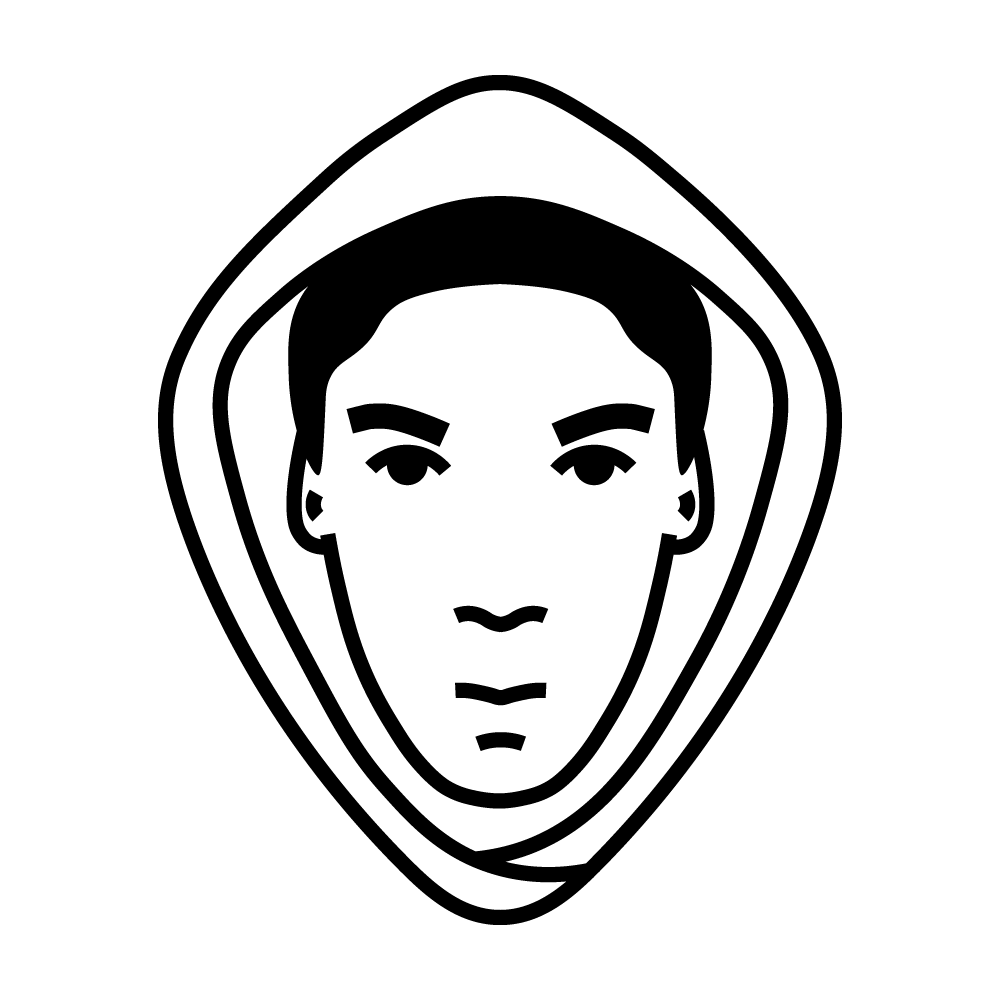
Featured image: Wikimedia Commons — “Say Their Names” portrait icon for Trayvon Martin.
Image-use note: Review the Wikimedia Commons file page for creator, attribution and Creative Commons license before publication.
“Disputed Death” is a Hall of Records editorial classification used to preserve deaths that became significant public disputes about race, policing, self-defense, custody, institutional accountability or the legal system. It does not override a court verdict, medical-examiner ruling or prosecutorial finding. This entry separates official legal outcomes from family concerns, public controversy, historical interpretation and unresolved questions.





