


March on Washington | Jobs, Freedom and a National Black Political Coalition
Hall of Records · Chamber of Knowledge
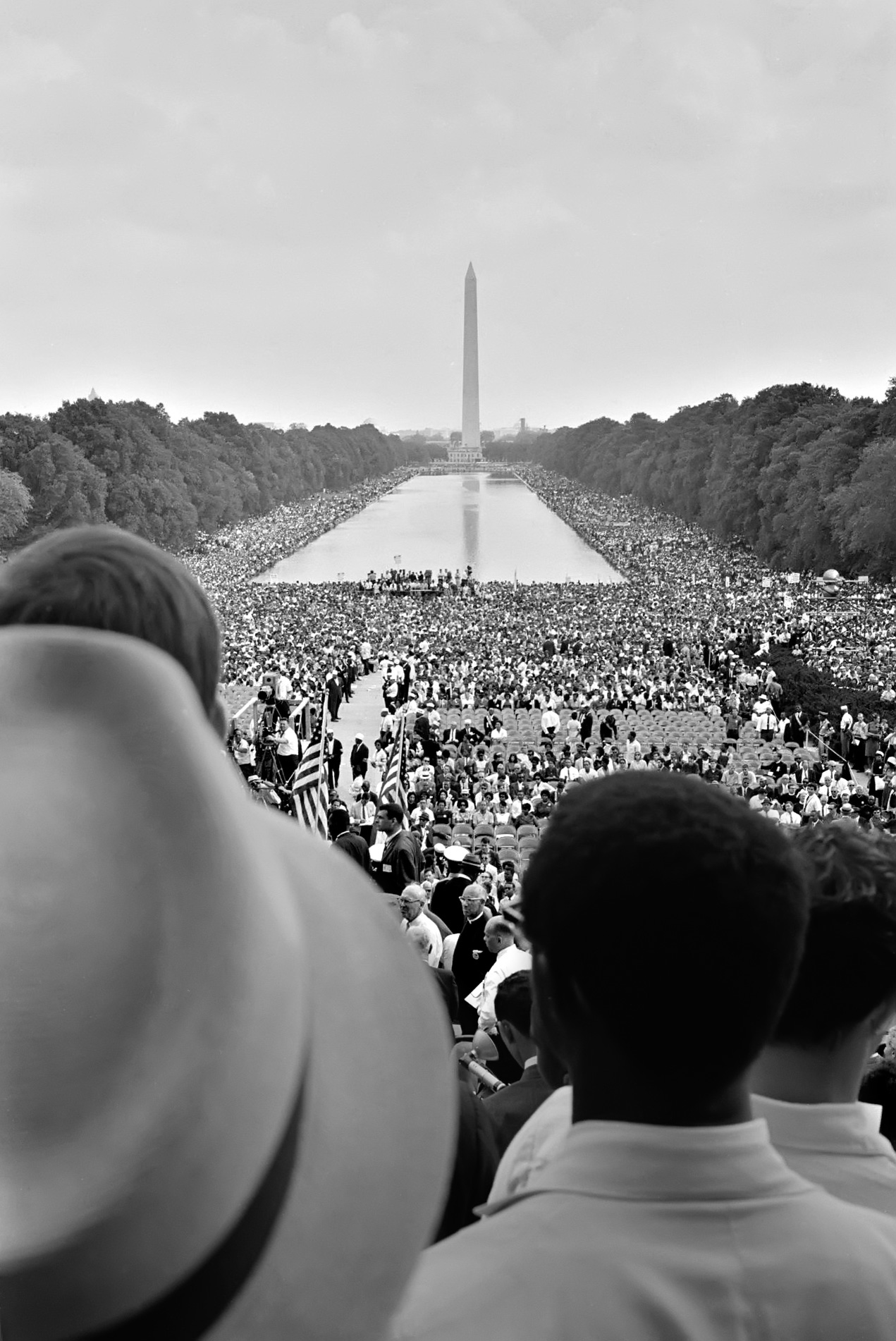
The March on Washington brought a vast interracial coalition to the nation’s capital to demand jobs, civil rights, voting access, fair wages, and an end to segregation.
Record Overview
The event is often remembered primarily for Martin Luther King Jr.’s speech, but it was built by organizers, unions, churches, youth groups, and civil-rights organizations.
Documented Record
Its formal demands included economic justice as well as legal equality, and the gathering became one of the most visible demonstrations of the civil-rights era.
Why This Record Matters
The record restores the march as organized political pressure rather than merely an inspirational gathering.
Record Timeline
- 1941: A. Philip Randolph plans an earlier march movement targeting discrimination.
- 1963: Coalition planning accelerates.
- August 28, 1963: The march takes place at the Lincoln Memorial.
- 1964–1965: Major federal civil-rights laws follow sustained movement pressure.
Living Archive
- How were logistics and coalition conflicts managed?
- Which economic demands remain unfinished?
- How can lesser-known speakers and organizers be centered?
Sources and Image
Image credit: Wikimedia Commons file: March on Washington edit.jpg. Review the file page for creator, attribution, and license.
Image-use note: Confirm the Wikimedia Commons file-page license, attribution, and personality-rights requirements before publication.
Image note: Recovered documentary/archival image. Review source-page attribution and reuse rights before publication.
Next Door Inside the Haus
Explore classes, research and practical learning inside the Academy.





