


Kendrick Lamar | Hip-Hop, Memory and Moral Storytelling
Hall of Records · Chamber of Knowledge
Kendrick Lamar uses hip-hop as narrative architecture; documenting neighborhood life, memory, trauma, faith, race, power and moral contradiction.

Record Overview
Kendrick Lamar is a rapper and songwriter from Compton, California, whose albums use recurring characters, nonlinear narrative and dense lyrical structure to document Black life and moral conflict.
Documented Record
Projects including good kid, m.A.A.d city, To Pimp a Butterfly and DAMN. have connected personal memory with policing, poverty, fame, spirituality, survivor’s guilt and structural racism.
Cultural Significance
Lamar’s work demonstrates how rap records can function as literary, historical and community documents while remaining deeply rooted in musical form.
Record Timeline
- 2012: good kid, m.A.A.d city brings Compton narrative to a global audience.
- 2015: To Pimp a Butterfly draws heavily on jazz, funk and Black political history.
- 2018: DAMN. receives the Pulitzer Prize for Music.
- 2020s: Lamar continues expanding rap as theatrical and narrative form.
Living Archive
- Which local histories are embedded in Lamar’s lyrics and visual work?
- How should rap albums be archived as narrative documents?
- How has his use of jazz and funk affected contemporary hip-hop production?
Sources & Documentation
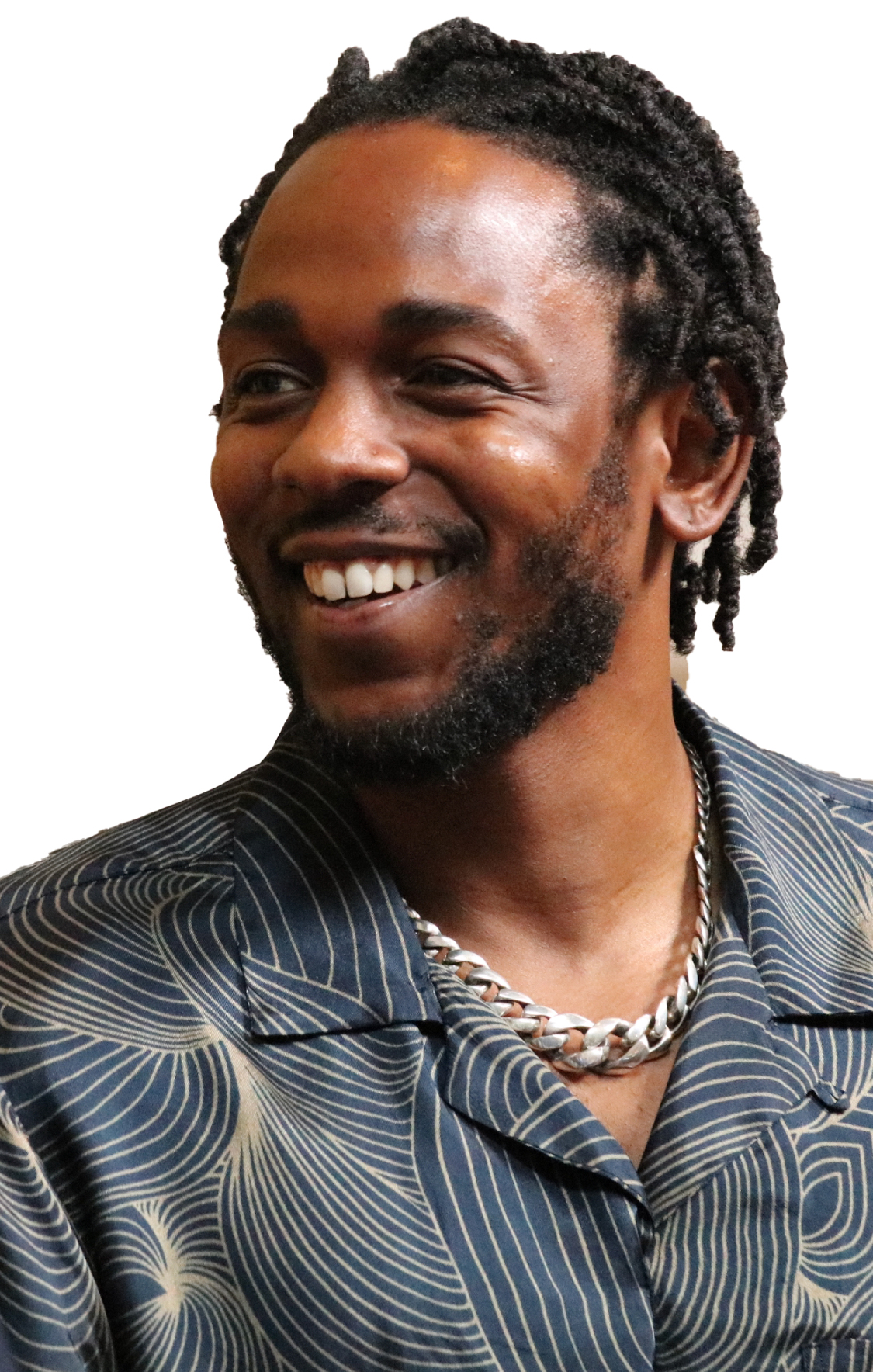
Image note: Recovered image associated with this Hall record.
Next Door Inside the Haus
Explore classes, research and practical learning inside the Academy.
Enter the Academy




