


Joy Buolamwini | Algorithmic Bias, Art and the Right to Be Seen
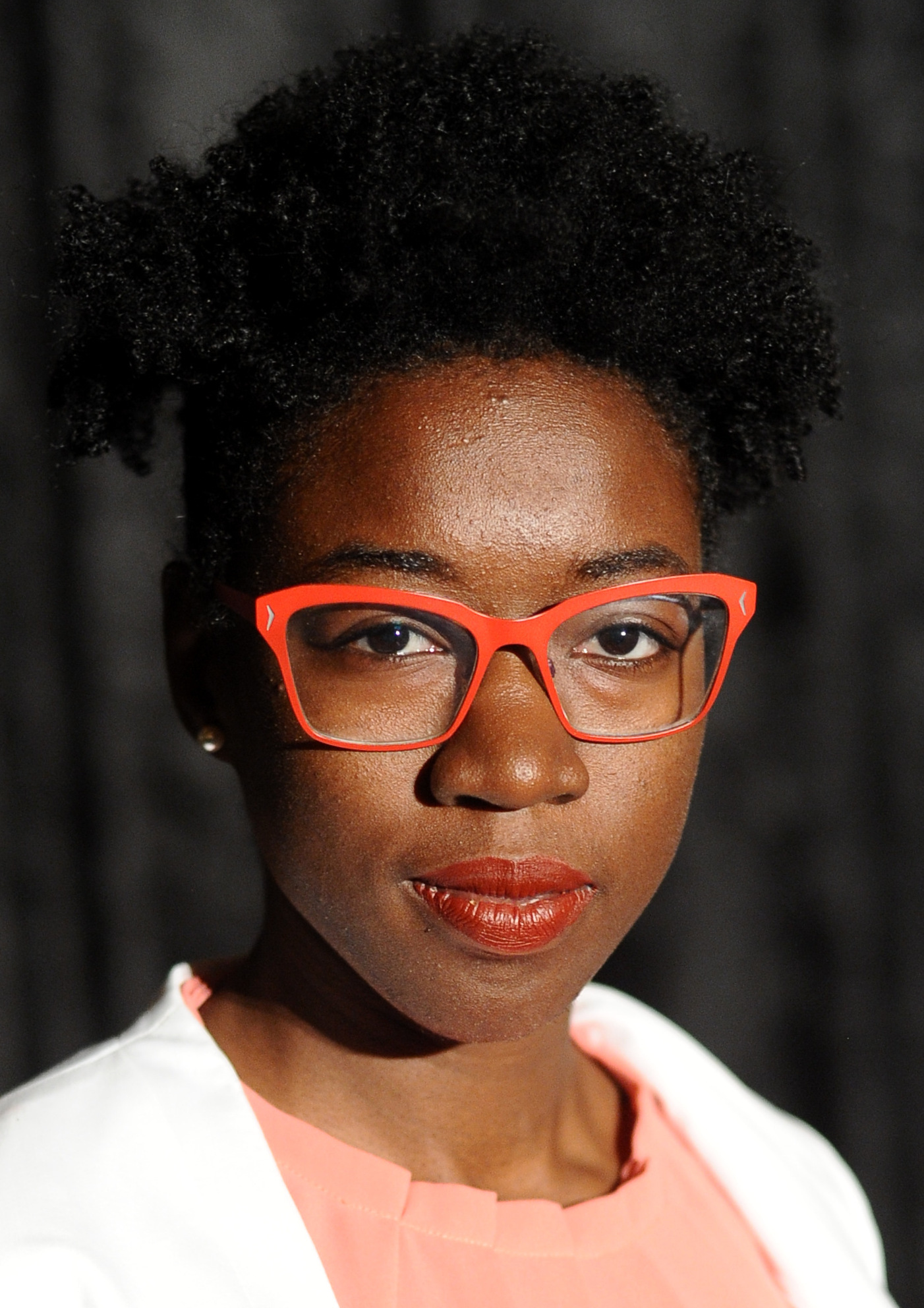
Hall of Records · Chamber of Knowledge
Joy Buolamwini exposed racial and gender disparities in commercial facial-analysis systems and built public language for algorithmic justice.
Record Overview
Her work combines computer-science research, poetry, visual art, policy advocacy, and public education.
Documented Record
Through the Algorithmic Justice League, she has argued that people harmed by automated systems need rights, redress, and meaningful oversight.
Why This Record Matters
The record preserves Black Futures as the power to challenge technology before it hardens inequality into infrastructure.
Record Timeline
- 2016: Buolamwini begins widely recognized research on facial-analysis bias.
- 2018: Gender Shades research documents performance disparities.
- 2020: The documentary Coded Bias broadens public awareness.
- Ongoing: Research and advocacy address biometric and automated decision systems.
Living Archive
- What legal protections are needed against biometric harm?
- How should companies disclose training data and error rates?
- What forms of community consent should govern surveillance?
Sources and Image
Image credit: Wikimedia Commons file: Joy Buolamwini, 2018 (cropped).jpg. Review the file page for creator, attribution, and license.
Image-use note: Confirm the Wikimedia Commons file-page license, attribution, and personality-rights requirements before publication.
Image note: Photograph of Joy Buolamwini from Wikimedia Commons; review file-page attribution and license.
Next Door Inside the Haus
Explore classes, research and practical learning inside the Academy.





