


Mary W. Jackson | NASA’s First Black Woman Engineer
Hall of Records · Chamber of Knowledge
Mary W. Jackson broke through segregation to become NASA’s first Black woman engineer, then used her position to expand opportunities for women and other underrepresented technical professionals.
Record Overview
Mary W. Jackson began working at Langley in 1951 in the segregated West Area Computing unit. After working with engineer Kazimierz Czarnecki in the Supersonic Pressure Tunnel, she was encouraged to pursue additional training that would qualify her for promotion to engineer.
Breaking the Barrier
The required graduate-level courses were offered at a segregated white high school in Hampton, Virginia. Jackson petitioned the city for permission to attend. She completed the coursework and in 1958 became NASA’s first African American female engineer.
Technical Contribution
Jackson authored and co-authored research on aircraft aerodynamics, particularly boundary-layer behavior around aerospace configurations at high speeds. Her engineering work contributed to the body of technical knowledge developed at Langley during a major period of American aeronautics research.
Institutional Legacy
Later in her career, Jackson moved into equal-opportunity administration and worked to improve hiring and promotion pathways for women in science and engineering. NASA’s headquarters building in Washington, D.C., now bears her name.
Primary Sources
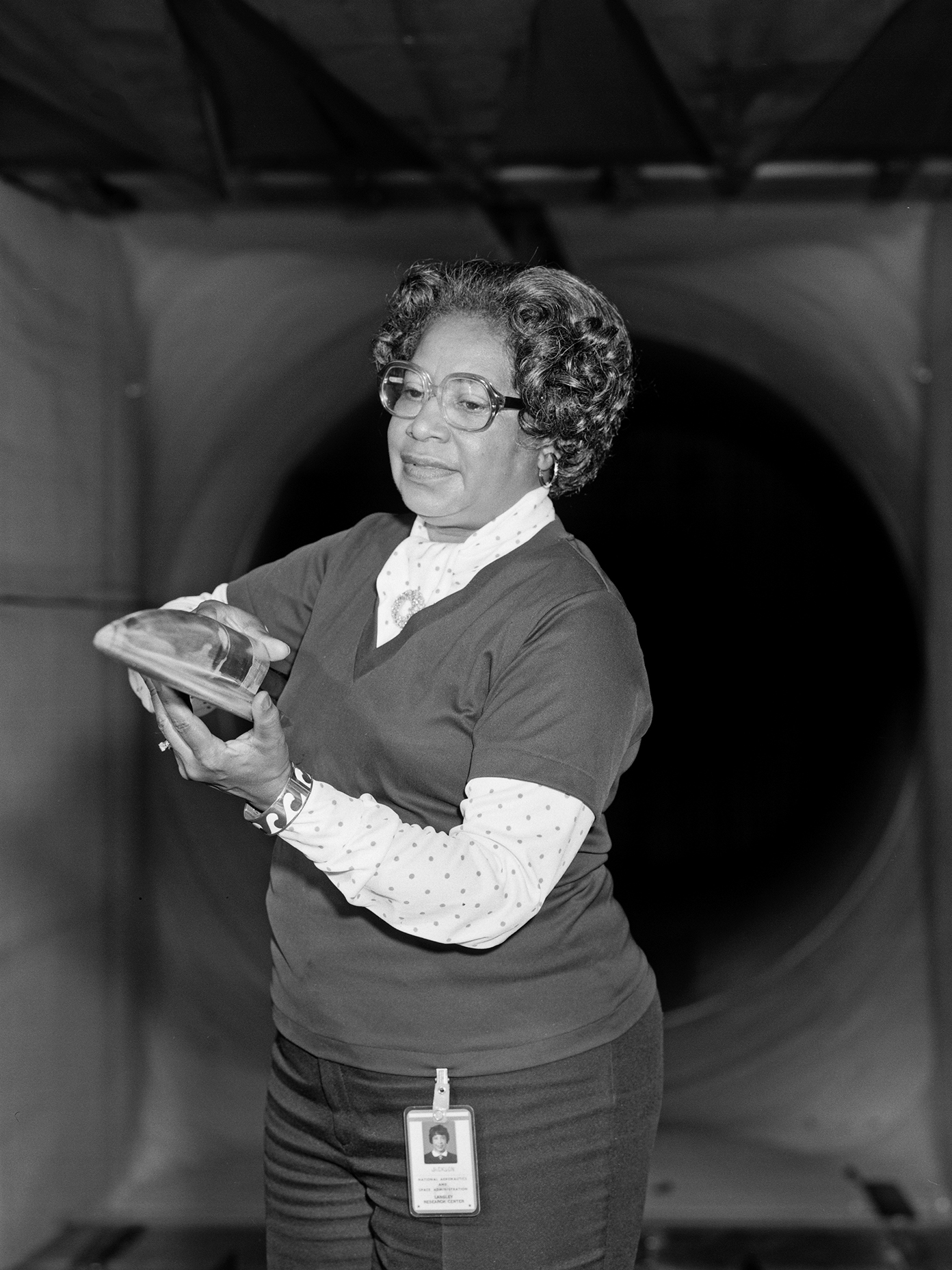
Image note: NASA photograph of Mary W. Jackson with a model; NASA-created public-domain image.
Next Door Inside the Haus
Explore classes, research and practical learning inside the Academy.





