


Harlem | Black Migration, Culture and Political Geography
Hall of Records · Chamber of Knowledge
Harlem became a major center of Black migration, art, politics, religion, business, nightlife, and international diasporic exchange.
Record Overview
The neighborhood is associated with the Harlem Renaissance, civil-rights organizing, Black nationalist movements, jazz, literature, churches, and street culture.
Documented Record
Harlem has also experienced repeated waves of disinvestment, redevelopment, gentrification, and contest over who can remain.
Why This Record Matters
The record preserves place as more than a backdrop: Harlem itself shaped institutions, networks, language, and political imagination.
Record Timeline
- Early twentieth century: Black migration transforms Harlem’s population and institutions.
- 1920s–1930s: The Harlem Renaissance expands cultural influence.
- Mid-twentieth century: Harlem remains central to civil-rights and Black political movements.
- Late twentieth century–present: Redevelopment and gentrification reshape the neighborhood.
Living Archive
- Which institutions have survived changing property markets?
- How has migration within the African diaspora changed Harlem?
- What community archives track displacement and continuity?
Sources and Image
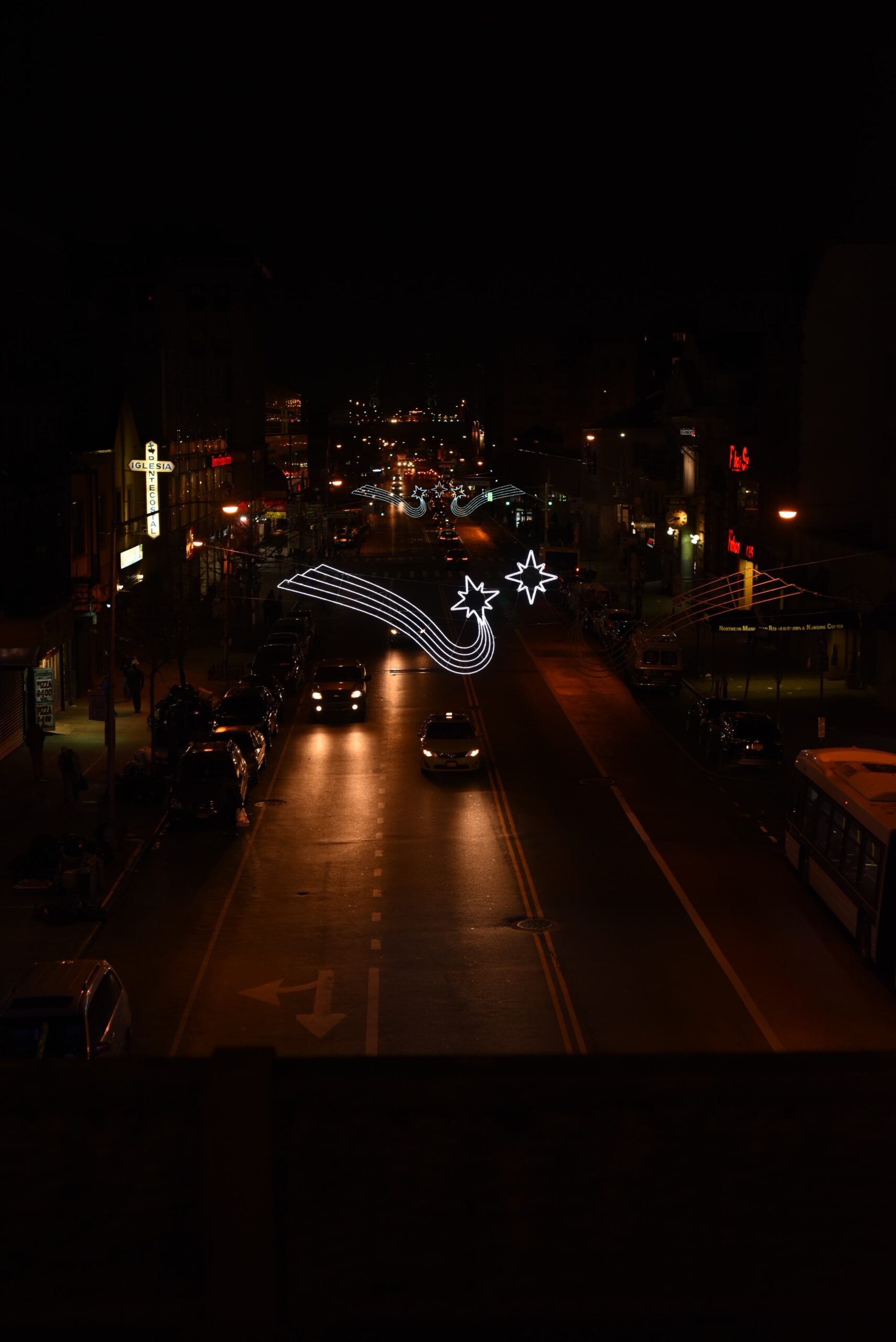
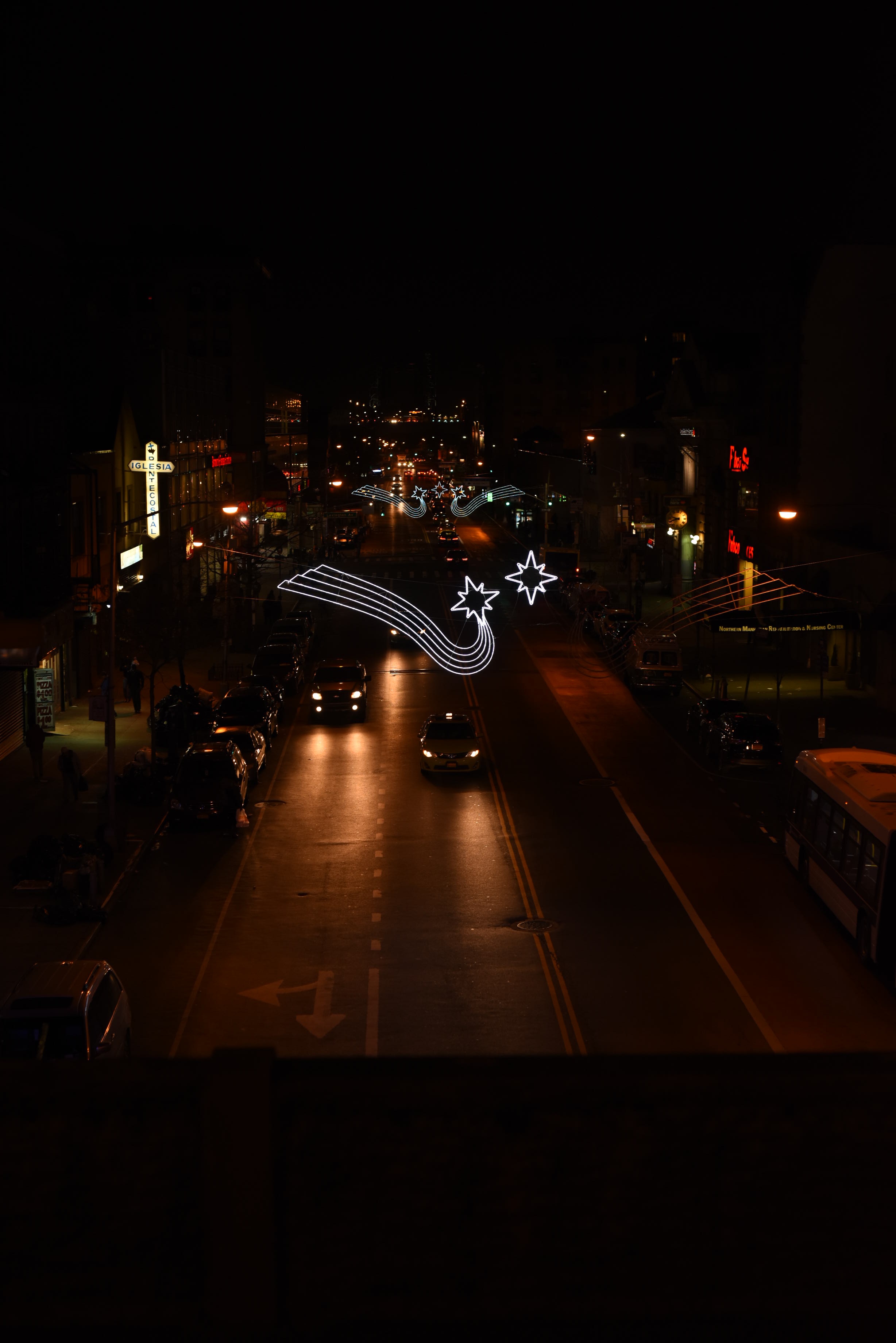
Image credit: Wikimedia Commons file: Harlem Street.jpg. Review the file page for creator, attribution, and license.
Image-use note: Confirm the Wikimedia Commons file-page license, attribution, and personality-rights requirements before publication.
Image note: Recovered documentary/archival image. Review source-page attribution and reuse rights before publication.
Next Door Inside the Haus
Explore classes, research and practical learning inside the Academy.





