


Eatonville, Florida | Black Self-Government, Community and Cultural Memory
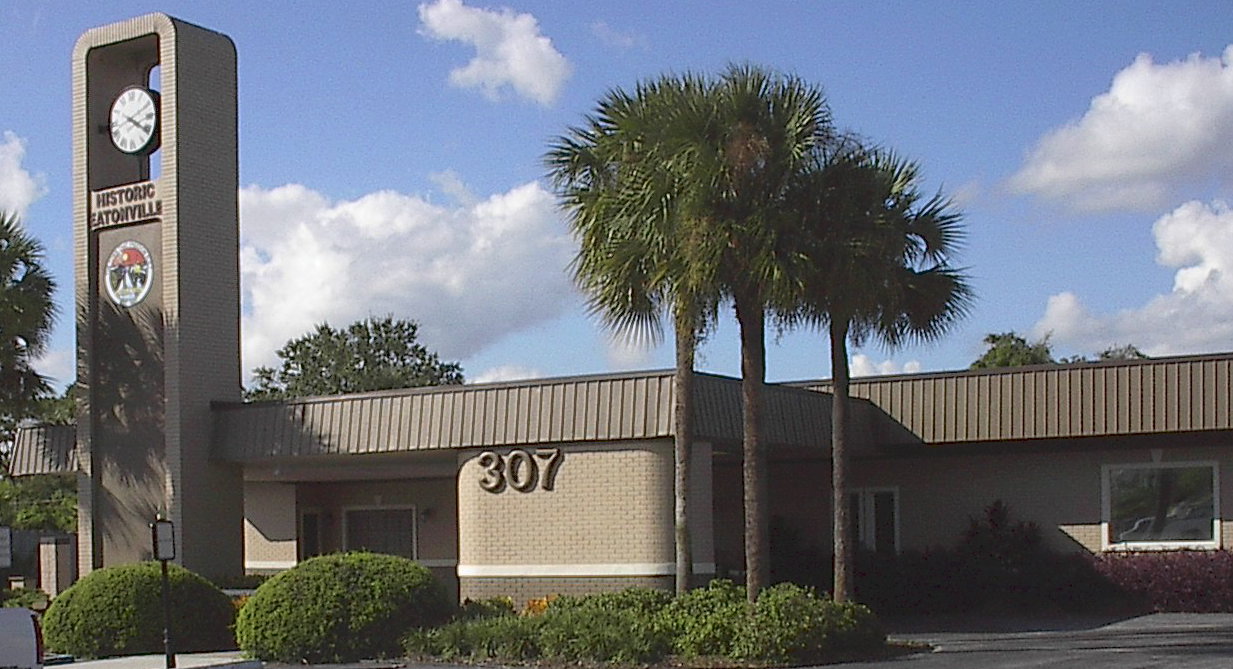
Hall of Records · Chamber of Knowledge
Incorporated in 1887, Eatonville became the first town in the United States organized, governed and incorporated by African American citizens—a place where Black self-government, education, faith, land and cultural memory became civic infrastructure.
Record Overview
Eatonville emerged during the post-Reconstruction era as Black residents sought the security and autonomy of a municipality they could govern themselves. Florida historical sources identify August 15, 1887 as the date of incorporation and describe Eatonville as the first incorporated African American municipality in the United States.
The town was named for Josiah Eaton, a white landowner who, along with Lewis Lawrence, helped make land available to Black residents. Twenty-seven Black electors participated in the incorporation process. Eatonville’s history therefore belongs not only to Florida history, but to the larger record of Black institution-building after emancipation.
Community Infrastructure
Education and faith became central institutions in Eatonville. Florida’s Division of Historical Resources notes that the Hungerford Industrial School was founded in 1889 and became an important center of African American education in the state.
Eatonville’s survival also makes land part of the historical record. Modern planning and preservation efforts continue to frame the town’s future around protecting community assets while allowing residents to shape growth on their own terms.
Cultural Legacy
Writer, folklorist and anthropologist Zora Neale Hurston grew up in Eatonville after her family moved there when she was a child. The Library of Congress identifies Eatonville as the first African American incorporated township and documents the town’s deep influence on Hurston’s writing, folklore collecting and representation of Black Southern speech and community life.
Hurston’s relationship to Eatonville helped transform a small Florida municipality into one of the most important cultural geographies in Black American literature.
Timeline
- 1880s: Black settlers pursue the creation of an independent municipality in the Eatonville area.
- August 15, 1887: Eatonville incorporates.
- 1889: Hungerford Industrial School is founded.
- 1890s: Zora Neale Hurston’s family moves to Eatonville; her father later serves as mayor.
- Modern era: Community preservation, planning and cultural programming continue to protect Eatonville’s historic identity.
Why This Record Matters
Eatonville demonstrates that Black freedom has always included questions of land, governance, schools, churches, memory and the authority to define community life. The town is a record of Black people converting emancipation into civic structure.
Primary Sources
- Florida Department of State — Historic Town of Eatonville
- Library of Congress — Zora Neale Hurston collection
- Library of Congress — Hurston timeline
- Town of Eatonville Master Planning Process
Featured image: Haus of Asseveration / Aimogen editorial image.
Image note: Photograph of Eatonville Town Hall from Wikimedia Commons.
Next Door Inside the Haus
Explore classes, research and practical learning inside the Academy.





