


The Red Summer of 1919 | Racial Violence, Black Self-Defense and the Fight for Citizenship
Hall of Records · Chamber of Knowledge
During 1919, white racial violence struck Black communities across the United States. Black Americans also resisted—defending homes, neighborhoods and claims to citizenship in what became known as the Red Summer.
Record Overview
In 1919, white mobs and other attackers targeted Black communities in cities and towns across the United States. The Library of Congress identifies more than twenty cities affected by racial violence during the period and notes that NAACP leader James Weldon Johnson helped popularize the term Red Summer for the wave of attacks.
The violence occurred during a period of rapid social change following World War I, including the Great Migration, competition over jobs and housing, and white hostility toward Black veterans and growing Black political assertion.
Black Veterans and Citizenship
Thousands of Black servicemen returned from military service expecting that sacrifice abroad might strengthen their claims to citizenship at home. Instead, many encountered renewed racial hostility and violence.
The Red Summer therefore belongs to the history of Black veterans as well as the history of racial massacres and migration.
Self-Defense
One of the defining features of 1919 was organized Black resistance. In several cities, Black residents defended homes and neighborhoods rather than accept mob violence without response.
This does not erase the enormous imbalance of power or the losses suffered by Black communities. It does complicate older narratives that portrayed Black victims only as passive recipients of violence.
Chicago and Beyond
The Red Summer was not a single event. Chicago became one of the most widely documented outbreaks, but violence also occurred in Washington, D.C., Elaine, Arkansas, and numerous other communities. Each episode had its own local trigger, actors and legal aftermath.
For that reason, casualty totals and legal outcomes should be documented incident by incident rather than collapsed into one unsupported national number.
Archival Record
The Library of Congress preserves newspapers, correspondence and other digitized primary sources connected to the Red Summer. These records allow researchers to compare official reports, press coverage, organizational correspondence and Black public responses rather than relying on a single retrospective narrative.
Why This Record Matters
The Red Summer reveals both the reach of white racial violence and a changing Black political posture after World War I. Preserving the record means naming the attacks while also documenting self-defense, organizing, migration and demands for full citizenship.
Primary Sources
- Library of Congress — Racial Massacres and the Red Summer of 1919
- Library of Congress — Red Summer, AFL records
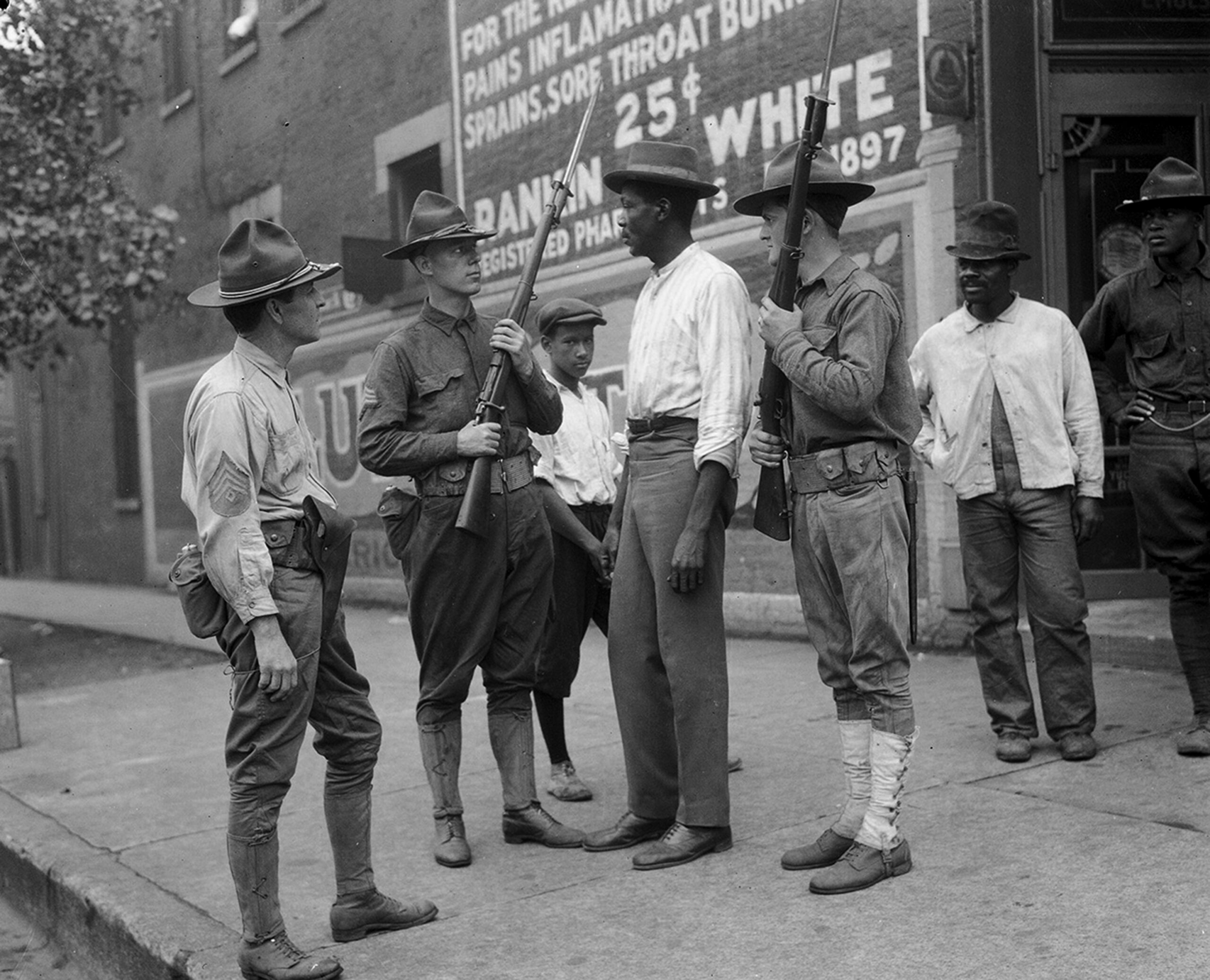
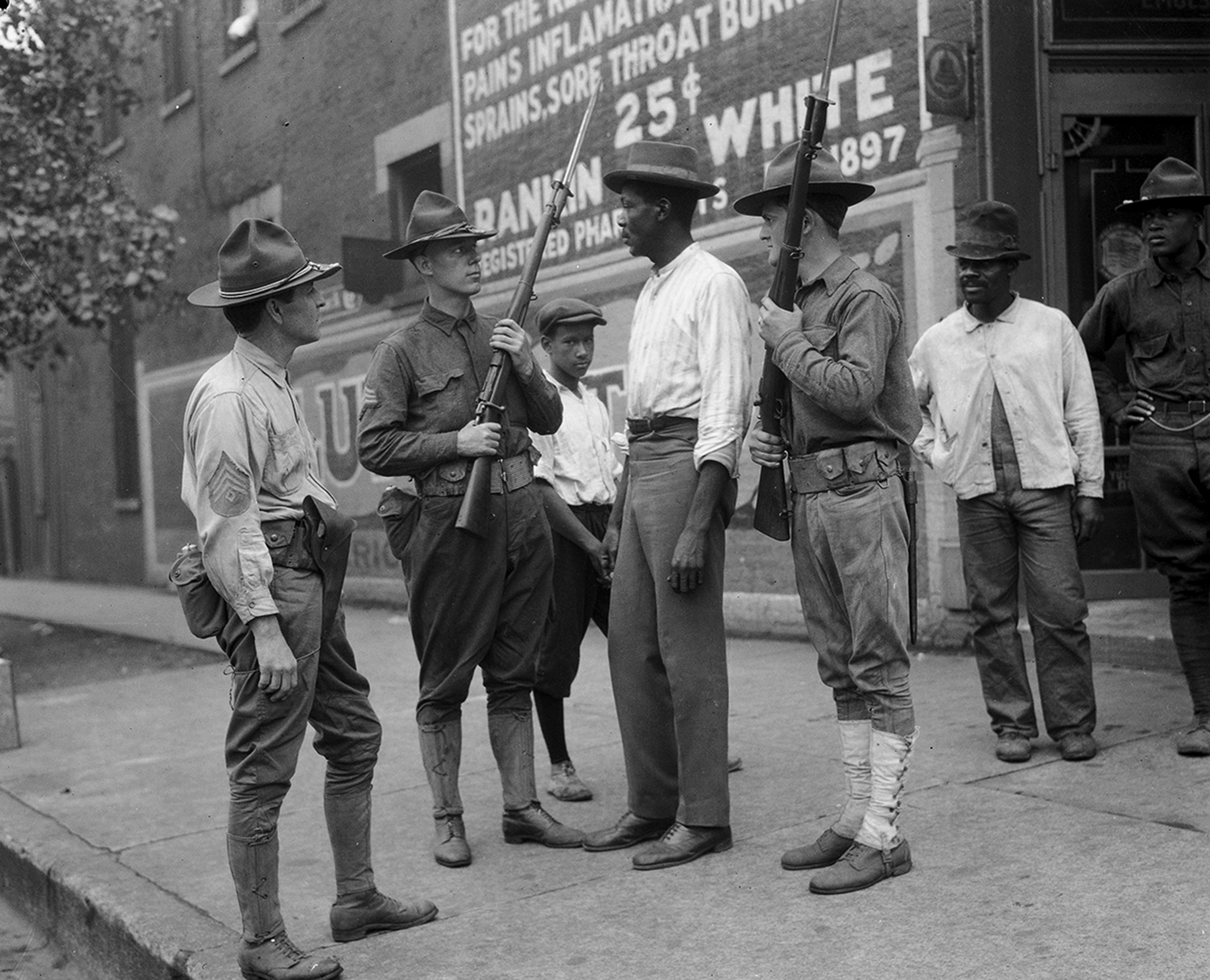
Featured image: Haus of Asseveration / Aimogen editorial image.
Image note: Historical Red Summer-era photograph. Review source-page rights and archival attribution before publication.
Next Door Inside the Haus
Explore classes, research and practical learning inside the Academy.





