


Keith Lamont Scott | Charlotte Police Shooting and Prosecutor’s No-Charge Decision
Hall of Records • Justice & Accountability • Disputed Death
Keith Lamont Scott | Charlotte Police Shooting and Prosecutor’s No-Charge Decision
Keith Lamont Scott, 43, was fatally shot by Charlotte-Mecklenburg police officer Brentley Vinson during an encounter at an apartment complex.
Record Summary
At a Glance
Keith Lamont Scott, 43, was fatally shot by Charlotte-Mecklenburg police officer Brentley Vinson during an encounter at an apartment complex.
Official Record
What Authorities and Courts Established
The Mecklenburg County District Attorney concluded in 2016 that Vinson’s use of deadly force was lawful under North Carolina law and that criminal charges were not warranted.
Public Dispute and Social Context
Why the Case Became a Flashpoint
Scott’s family disputed key elements of the police account, including what he was holding and how the encounter unfolded. The shooting led to days of protests and unrest in Charlotte.
Legal Outcome
Where the Record Stands
The local criminal review ended without charges. The prosecutor’s report set out the evidence and legal reasoning supporting the no-charge decision.
Why This Record Matters
The 2012–2020 Racial-Justice Era
Scott’s death became a key case in debates over release of body-camera and dash-camera footage, competing witness accounts and the public’s ability to evaluate official narratives.
Sources
Review the Record
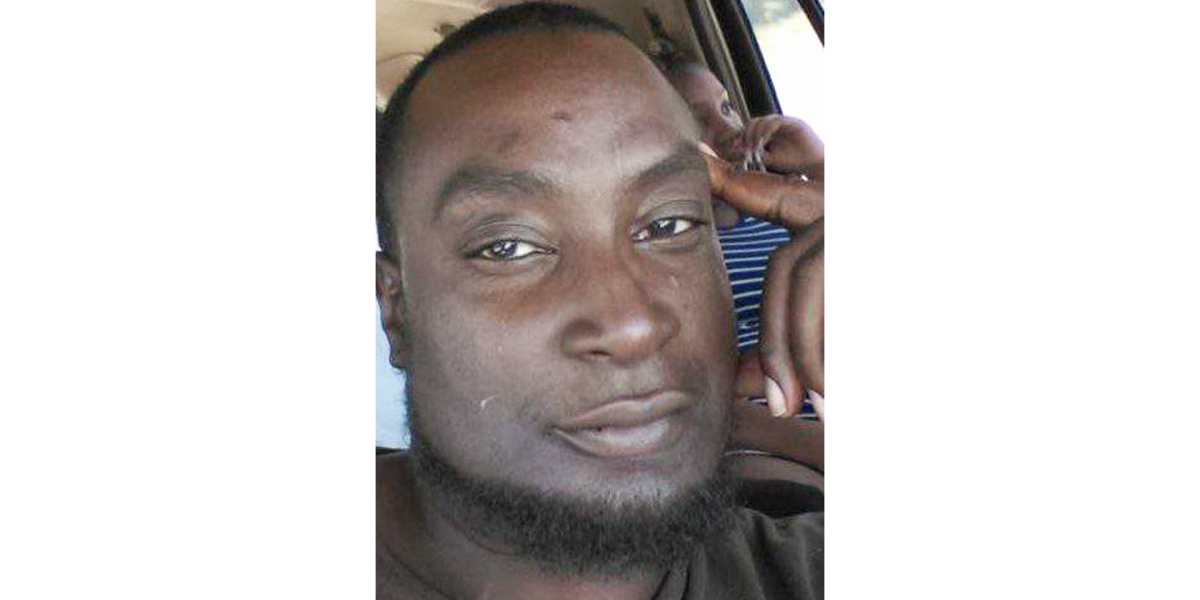
Featured image: Color Of Change — portrait of Keith Lamont Scott.
Image-use note: External advocacy image. Confirm reuse rights and attribution before publication.
“Disputed Death” is a Hall of Records editorial classification used to preserve deaths that became significant public disputes about race, policing, self-defense, custody, institutional accountability or the legal system. It does not override a court verdict, medical-examiner ruling or prosecutorial finding. This entry separates official legal outcomes from family concerns, public controversy, historical interpretation and unresolved questions.





