


Brown v. Mississippi | Tortured Confessions and a Landmark Supreme Court Ruling
Hall of Records • Wrongful Conviction
Brown v. Mississippi | Tortured Confessions and a Landmark Supreme Court Ruling
Ed Brown, Arthur “Yank” Ellington, and Henry Shields were tortured into confessing to a Mississippi murder, convicted in a rushed trial, and sentenced to death. The U.S. Supreme Court reversed their convictions in 1936.
Case Overview
What Happened
After white planter Raymond Stewart was killed in Kemper County in 1934, the three Black men were arrested and subjected to beatings and torture until they confessed.
Official Record
Findings and Legal Status
The United States Supreme Court unanimously held in Brown v. Mississippi, 297 U.S. 278 (1936), that convictions resting on confessions extracted through violence violated due process. Mississippi threatened retrial, and the men later entered no-contest pleas to manslaughter rather than face another capital trial.
Why This Record Matters
Accountability and Context
The decision became a foundational constitutional ruling against coerced confessions. The record also shows how racial terror, all-white juries, rushed proceedings, and inadequate defense operated together in Jim Crow Mississippi.
Case Timeline
Key Events
- March 30, 1934: Raymond Stewart is killed in Kemper County.
- April 1934: Brown, Ellington, and Shields are arrested, tortured, tried, convicted, and sentenced to death within roughly one week.
- January 1935: The Mississippi Supreme Court affirms the convictions.
- February 17, 1936: The U.S. Supreme Court reverses the convictions.
- After remand: The men enter no-contest manslaughter pleas and receive reduced sentences.
Open Record
Unanswered Questions
- What became of each man after completing the negotiated sentences?
- What records survive regarding the officers and civilians who carried out the torture?
- Why were the men forced to accept pleas after the convictions were reversed?
- How should modern wrongful-conviction archives distinguish reversal from full exoneration?
Primary Sources
Review the Record
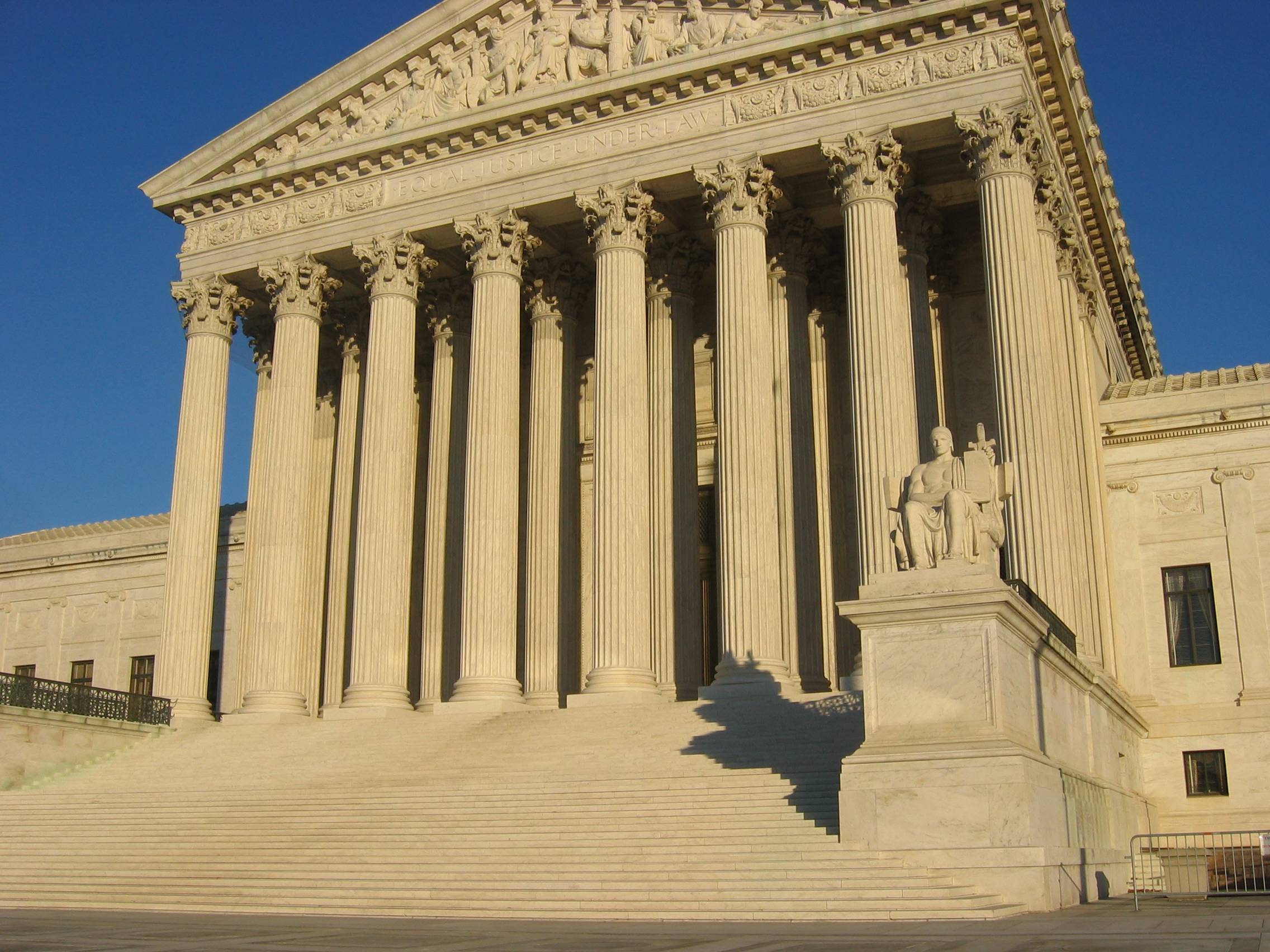
Image credit: Contextual image of the U.S. Supreme Court building via Wikimedia Commons; it does not depict the three defendants.





